
Edible Landscaping:
Transform Your Garden with Native Australian Plants and Common Herbs
Edible landscaping is a creative and sustainable way to beautify your outdoor space while growing your own food. By integrating native Australian plants and common herbs into your garden design, you can enjoy a lush landscape that offers both visual appeal and a bounty of fresh produce. In this guide, we’ll explore how to start your journey into edible landscaping, blending aesthetics with functionality in your backyard.
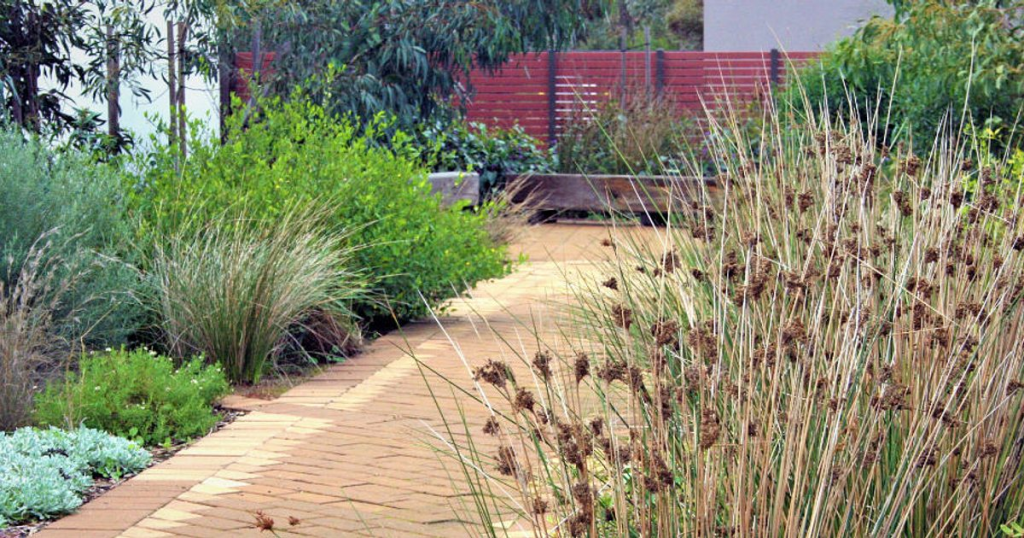
Step 1: Planning Your Edible Landscape
- Successful edible landscaping begins with thoughtful planning. Assessing your space, climate and preferences will lay a strong foundation for a thriving garden.
Measure your garden area, noting sun exposure, soil type and existing plants. - Decide what you want from your garden, fresh herbs, fruits, visual appeal or all of the above.
- Sketch a garden plan that includes paths, plant beds and focal points.
Tips
- Use permaculture principles to maximize efficiency and sustainability.
- Incorporate raised beds or vertical gardens if space is limited.
Create a simple sketch of your backyard, highlighting areas where you can introduce edible plants.
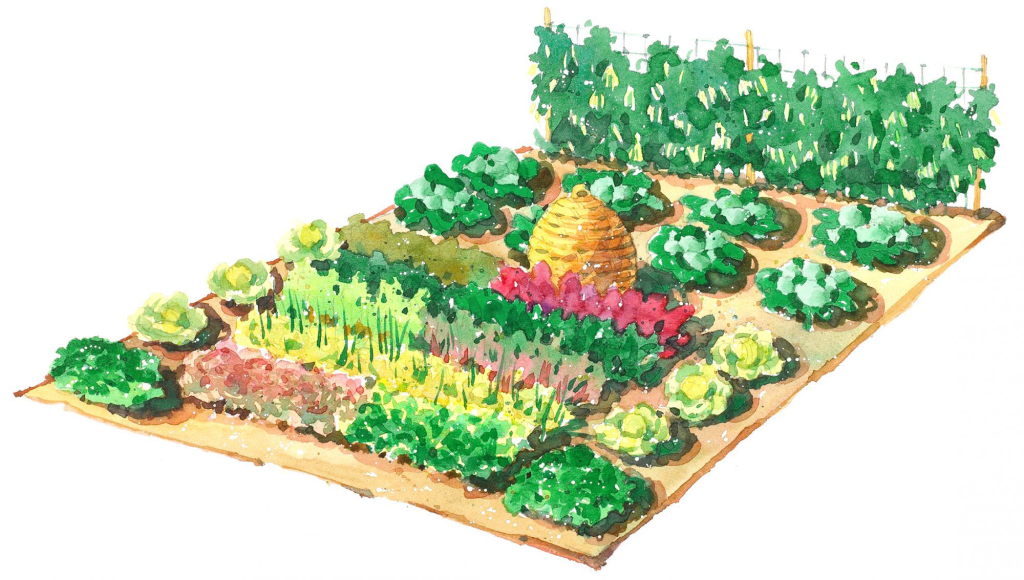
Step 2: Selecting Native Australian Plants and Common Herbs
Choosing the right plants ensures your edible landscape is both productive and harmonious with the local environment.
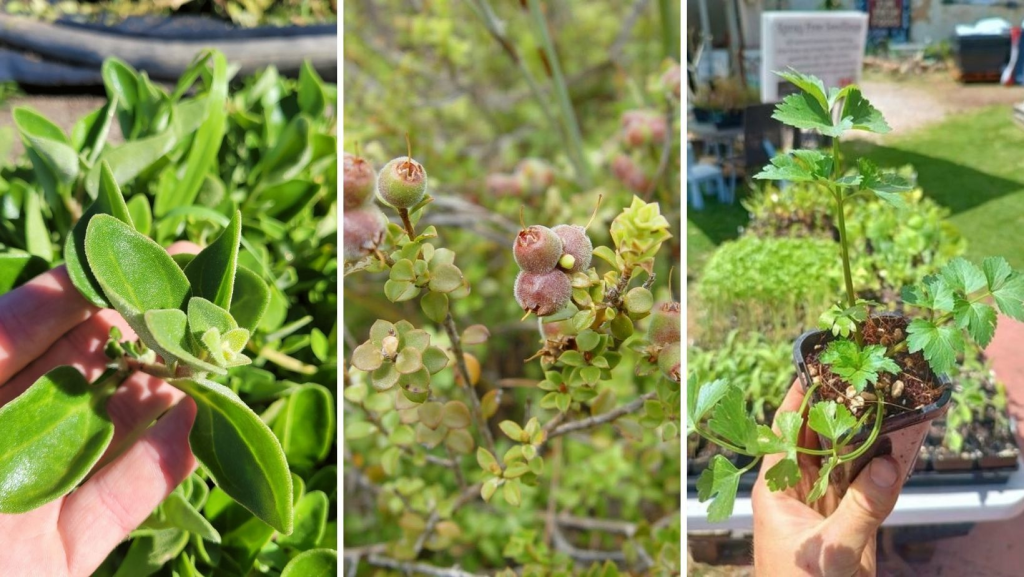
- Opt for native plant species like Finger Lime, Warrigal Greens and Lemon Myrtle.
- Include easy to grow common herbs such as Basil, Parsley and Rosemary
- Consider growth habits and select a mix of ground covers, shrubs and trees for visual interest.
Tips
- Native plants are adapted to local conditions, making them low maintenance.
- Herbs can double as ornamental plants with their attractive foliage and flowers.
List five native edible plants you’d like to grow in your garden.
Step 3: Preparing the Soil
Healthy soil is the cornerstone of a productive edible landscape.
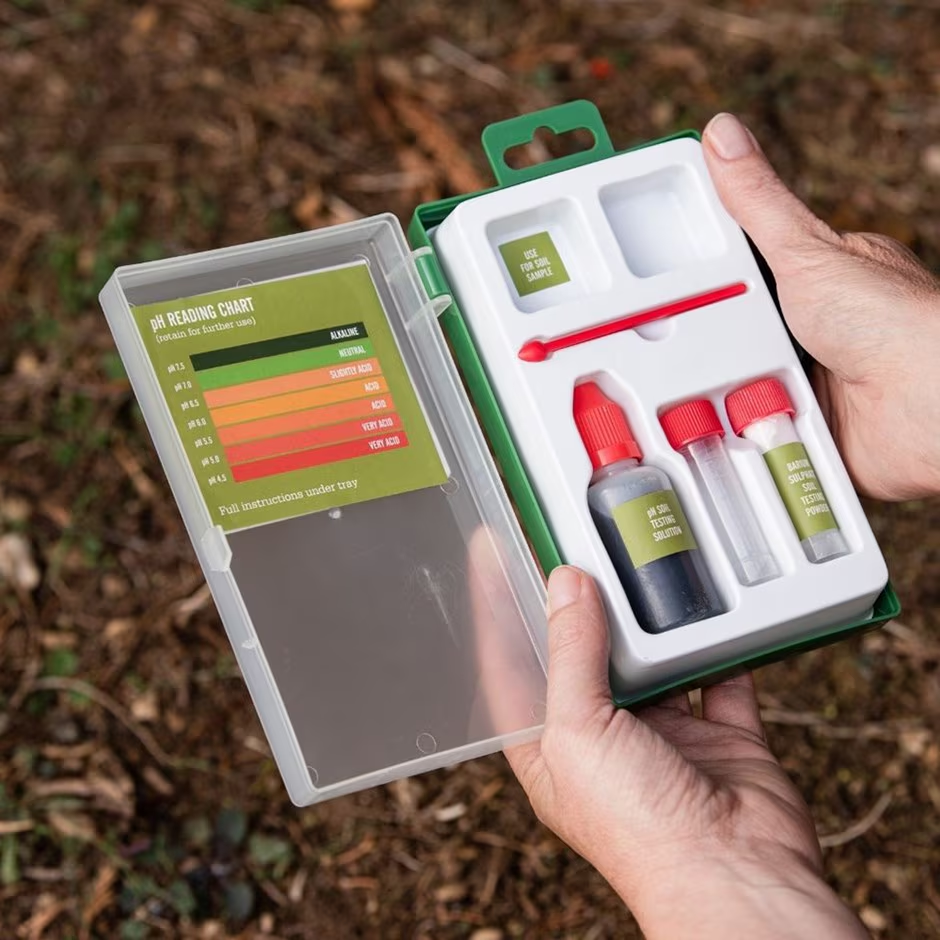
- Test soil pH, use a soil testing kit to determine acidity or alkalinity.
- Enrich soil with organic matter like compost or well rotted manure.
- Improve drainage if soil is heavy clay, incorporate sand or gypsum.
Tips
- Native plants often prefer poorer soils; avoid over fertilizing these areas.
- Mulch generously to retain moisture and suppress weeds.
Collect a soil sample and test its pH level.
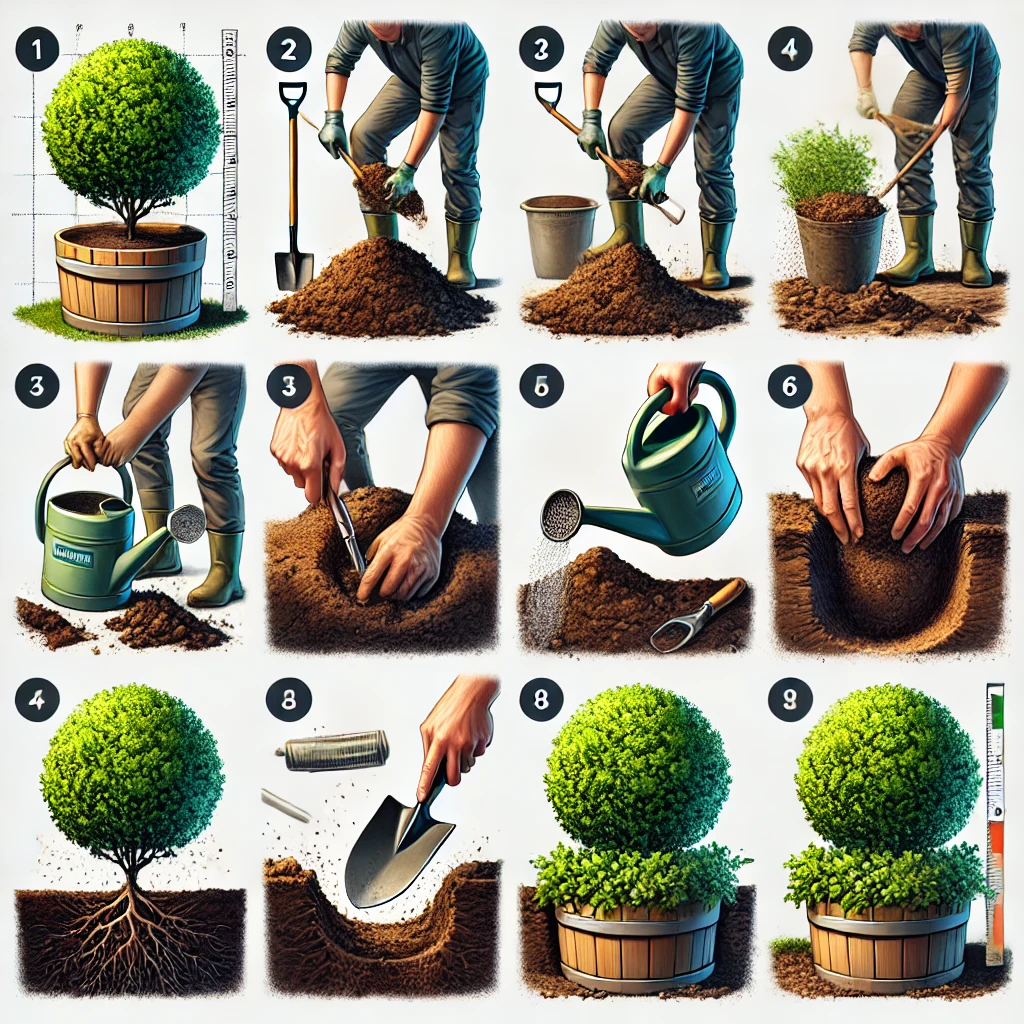
Step 4: Planting Your Edible Landscape
Proper planting techniques ensure your plants establish well and thrive.
- Choose the right season for each plant species.
- Follow recommended spacing guidelines to prevent overcrowding.
- Dig holes twice the width of the root ball but no deeper.
Tips
- Water plants thoroughly after planting to settle the soil.
- Group plants with similar water and sunlight needs together.
Schedule a planting day in your calendar, considering the best season for your chosen plants.
Step 5: Ongoing Maintenance
Regular care keeps your edible landscape healthy and productive.
- Establish a consistent watering routine appropriate for each plant.
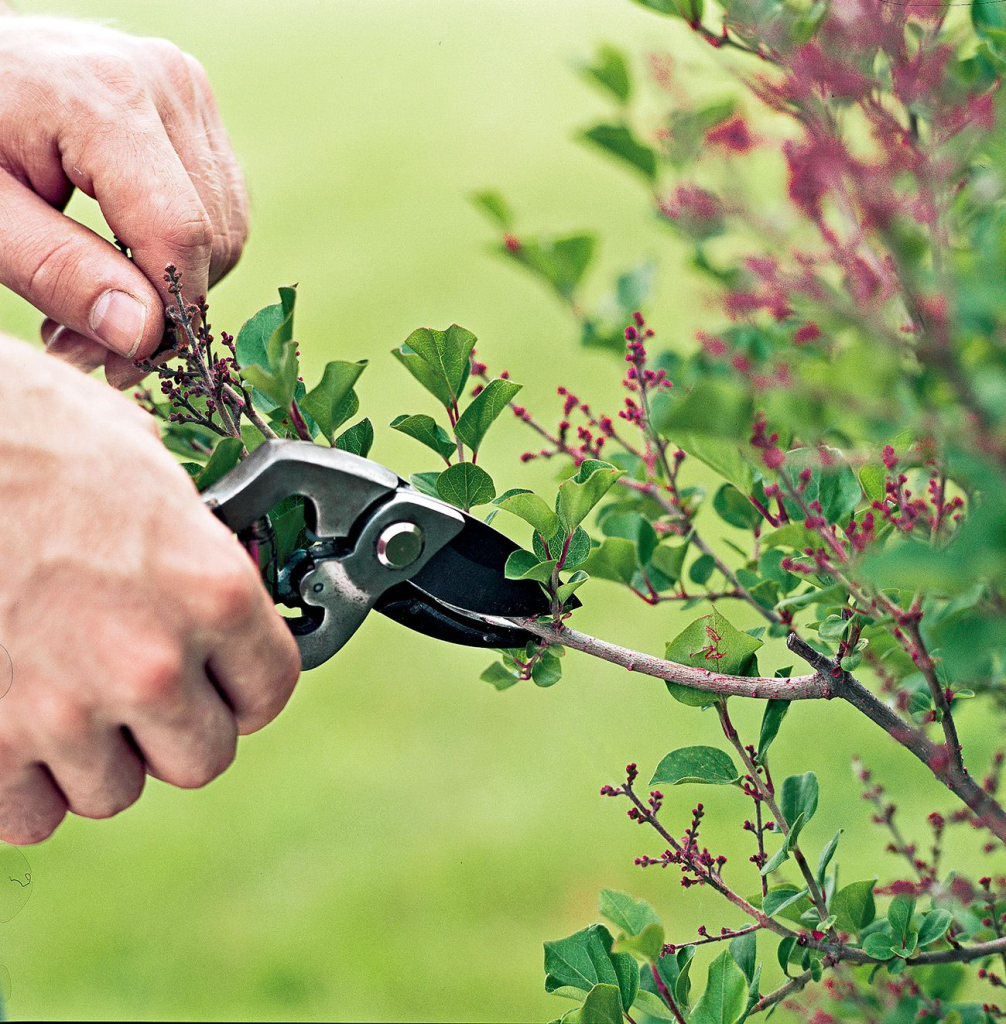
- Trim plants to encourage growth and remove dead or diseased parts.
- Monitor for pests and use organic control methods.
Tips
- Install a drip irrigation system for efficient watering.
- Use companion planting to naturally deter pests.
Research organic pest control methods suitable for your plants.
Common Errors and Misconceptions in Edible Landscaping
Being aware of common mistakes can help you avoid setbacks in your gardening journey.
#1: Choosing Incompatible Plants
Research plant compatibility to ensure they thrive together.
#2: Neglecting Soil Preparation
Invest time in improving soil before planting.
#3: Overwatering or Underwatering
Understand the specific water needs of each plant.
A fellow gardener planted a non native herb that required more water than the natives, leading to overwatering and root rot in surrounding plants.
Start Your Edible Landscaping Journey Today
Maintaining a healthy lawn requEdible landscaping combines the beauty of ornamental gardening with the practicality of growing your own food. By focusing on native Australian plants and common herbs, you create a sustainable and low maintenance garden that supports local ecosystems. Embrace edible landscaping and transform your backyard into a haven of beauty and bounty.ires a blend of regular care and mindful techniques, but the results are well worth it. With these tips, you can keep your lawn lush, green and perfect for that game of backyard cricket. Embrace each season’s routine, and enjoy the beautiful, soft turf under your feet all year long.
Additional Resources for Edible Landscaping
1. Books
- “Australian Native Gardening” by Angus Stewart
- “Edible Heirloom Plants” by Keith Singleman
2. Websites
- Gardening Australia: (www.abc.net.au/gardening)
- Australian Native Plants Society: (www.anpsa.org.au)