
How to Be Safe Using Power Tools in the Garden: Essential Tips for Beginners and Experienced Gardeners

Gardening power tools like trimmers, whipper snippers, chainsaws and lawn mowers can make outdoor projects easier and more efficient. However, understanding how to be safe using power tools in the garden is crucial to prevent accidents and ensure that every task is completed smoothly. This guide will cover key safety practices, from preparation and tool handling to common mistakes to avoid.
Preparing Yourself and the Workspace
Preparation is the first step in ensuring safety in the garden. Taking the time to inspect tools, clear the workspace, and wear the proper gear significantly reduces risk.
- Check each power tool for frayed cords, loose screws, or signs of wear and tear. Damaged tools can malfunction, posing a safety risk.
- Use gloves, safety glasses and ear protection, especially when using loud tools like chainsaws, whipper snippers or hedge trimmers.
- Remove obstacles like stones, sticks and toys to prevent tripping and tool damage.
Tips
- Keep a checklist of essential safety gear and double-check it before using any power tools.
- Maintain a first-aid kit nearby in case of minor injuries.
Create a checklist of essential safety gear and hang it in your garden shed.
Handling and Operating Power Tools Safely
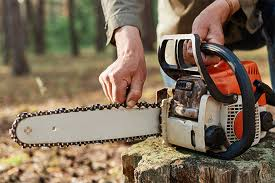
Proper handling of power tools reduces the risk of accidents. Whether you’re using a chainsaw or a lawn mower, understanding each tool’s functions and controls is essential.
- Familiarize yourself with each tool’s manual, especially if it’s new. Learn about the controls, power settings and any safety features.
- Hold tools with both hands for better control and always stand with a stable, balanced posture.
- When using electric tools, keep cords away from water and sharp objects and be cautious not to trip on them.
Tips
- For heavy tools, take breaks to avoid muscle strain.
- Always unplug or switch off tools when making adjustments or clearing jams.
Review the manual of one power tool you haven’t used in a while to refresh your memory on its safety features.
Maintaining Awareness of Your Surroundings
Awareness is key when using power tools. Staying alert to people, pets, and potential hazards around you helps ensure safe and smooth operation.
- Keep children and pets away from the work area. Use barriers if needed to create a safe perimeter.
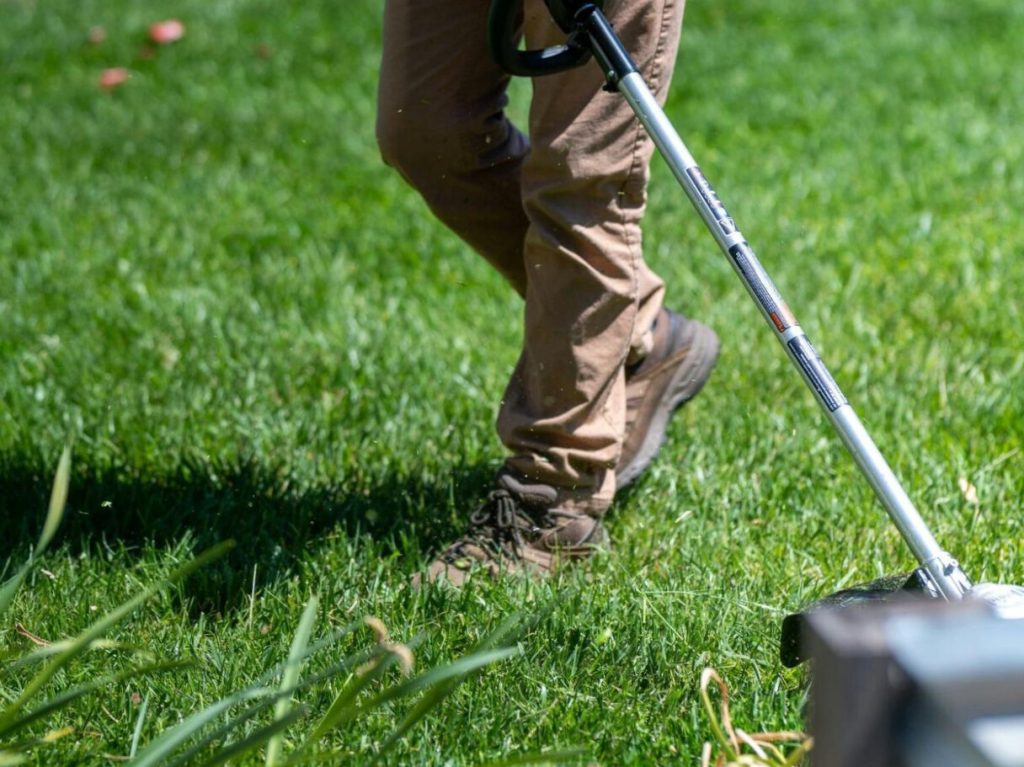
- When trimming trees or using long-handled tools, look for power lines or low-hanging branches.
- Avoid distractions. If you’re using noisy equipment, remain vigilant about your surroundings as the noise can mask other sounds.
Tips
- Establish a routine of checking for nearby people or pets before starting a power tool.
- Work with a buddy if possible, especially when using larger equipment, for added safety and support.
Walk through your work area and identify any potential hazards that could be addressed before using tools.
Proper Storage and Maintenance of Power Tools
Storing tools correctly and keeping them well-maintained not only extends their lifespan but also ensures safe use.
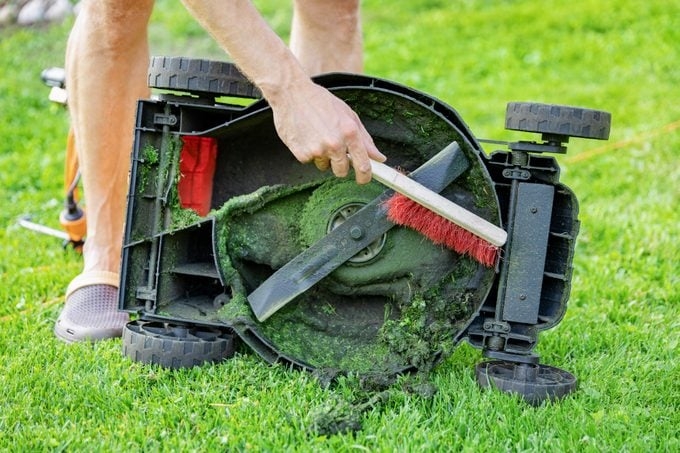
- Remove any dirt, grass, or debris from tools to prevent clogging and overheating.
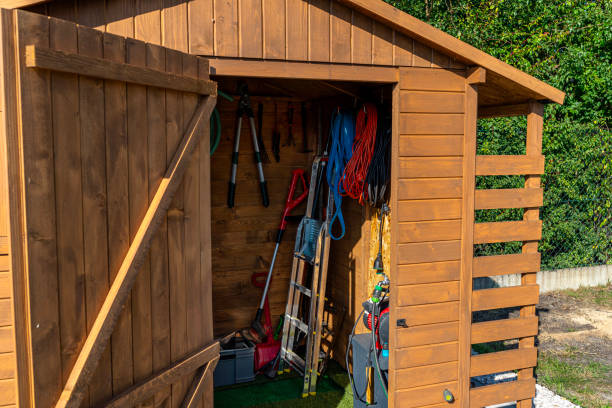
- Keep power tools in a shed or covered storage area to protect them from moisture, which can cause rust or electrical issues.
- Oil moving parts, sharpen blades and check batteries and cords routinely to keep tools in optimal condition.
Tips
- Label storage spaces for each tool to keep your workspace organized.
- Schedule bi-annual maintenance checks to ensure all tools are in good working order.
Designate a specific shelf or area in your shed for storing power tools and ensure they’re easily accessible but safely out of children’s reach.
Common Errors and Misconceptions in Garden Power Tool Safety
Understanding common mistakes helps you avoid unnecessary risks and keeps your gardening experience smooth and enjoyable.
#1: Skipping Safety Gear for Small Tasks
Even for quick jobs, wear gloves and safety glasses to prevent unexpected injuries.
#2: Not Unplugging Tools Before Adjusting.
Always turn off and unplug power tools before making any adjustments to avoid accidental starts.
#3: Using Tools Without Regular Maintenance
Routine checks and cleaning are essential to prevent malfunctions and ensure safe tool performance.
A friend once skipped cleaning grass clippings from a mower, leading to overheating and costly repairs. Now, they make a habit of cleaning after every use and the mower has run smoothly ever since.
Enjoy Your Garden Projects Safely and Confidently
Learning how to be safe using power tools in the garden is essential for completing projects efficiently while avoiding injury. By taking these precautions, maintaining awareness and committing to regular maintenance, you’ll be equipped to handle any gardening task confidently and safely. Remember, safety in the garden is as important as the final results!
Additional Resources for Power Tool Safety
1. Books
- “The Complete Guide to Using Power Tools Safely in the Garden” by Jim Ford
- “Garden Power Tools: Maintenance and Safe Operation” by Alice Burton
2. Websites
- Safe Work Australia: (www.safeworkaustralia.gov.au)
- Housing Industry Association: (www.hia.com.au)