Create a Butterfly Attracting Landscape: Invite Australian Butterflies to Your Garden
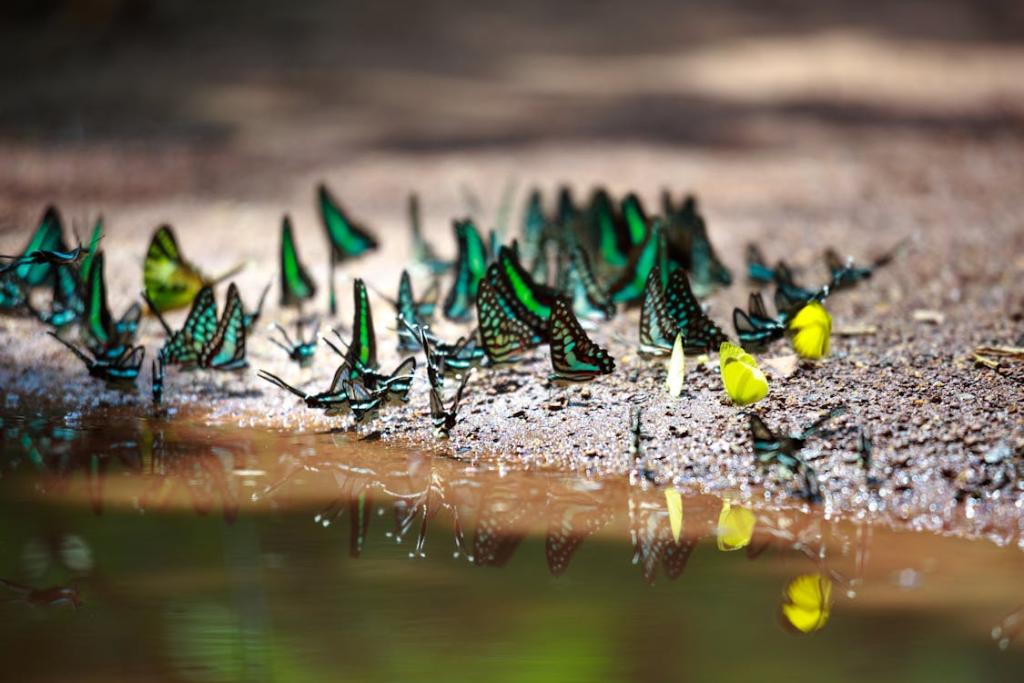
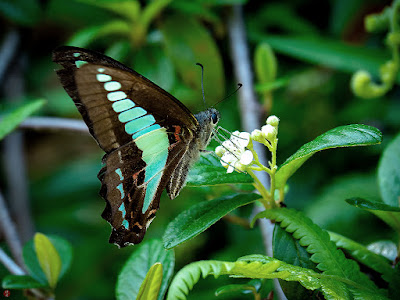
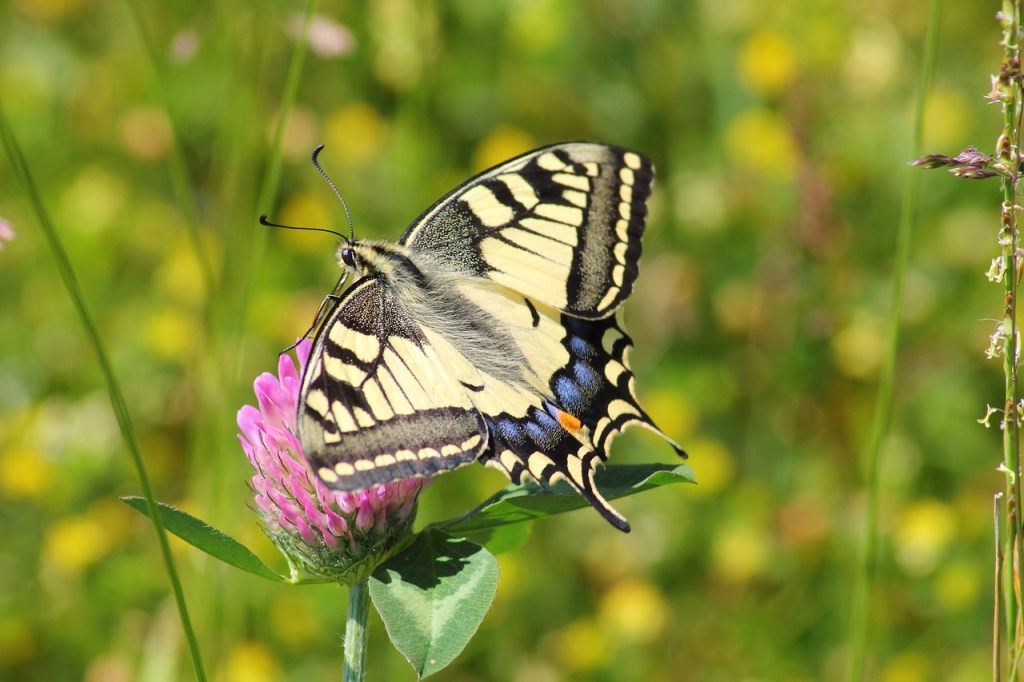
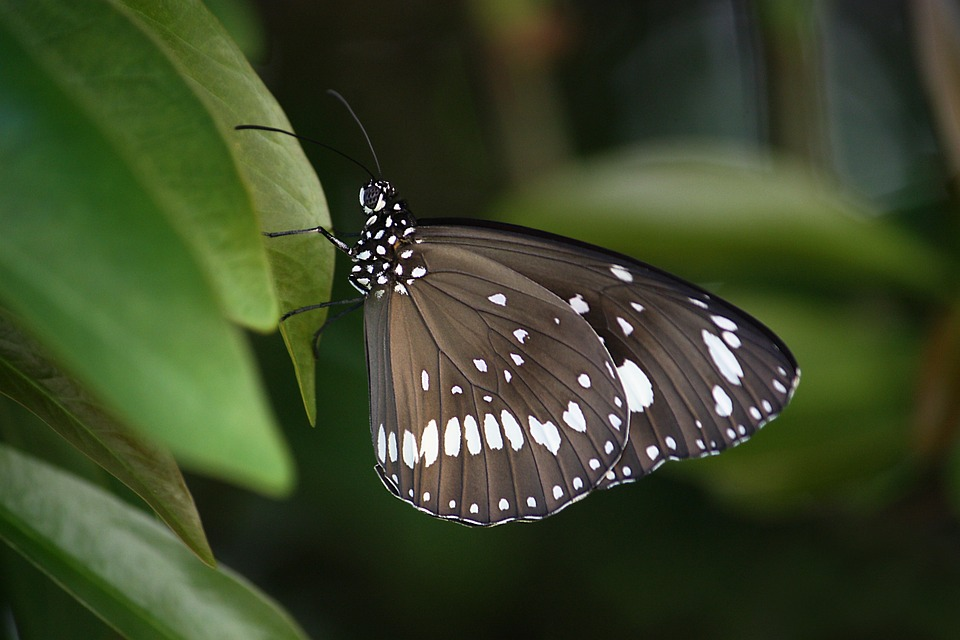
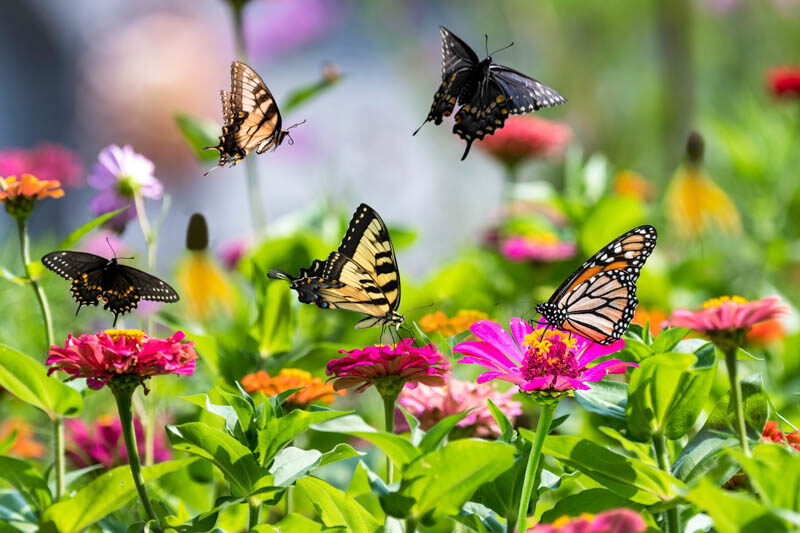
A butterfly attracting landscape can bring both beauty and ecological benefits to your garden. By choosing the right plants and designing a supportive habitat, you can create a vibrant space that attracts Australian butterflies like the Blue Triangle, Common Crow, and Orchard Swallowtail. This guide will walk you through the essentials of designing and maintaining a butterfly friendly landscape.
Step 1: Choosing Native Plants for Nectar and Host Needs
Butterflies rely on two types of plants: nectar plants for feeding and host plants for laying eggs. Selecting the right plants will encourage butterflies to visit and stay in your garden.
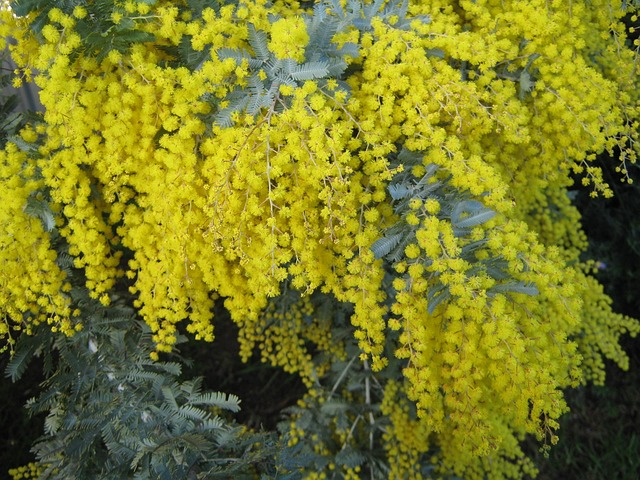
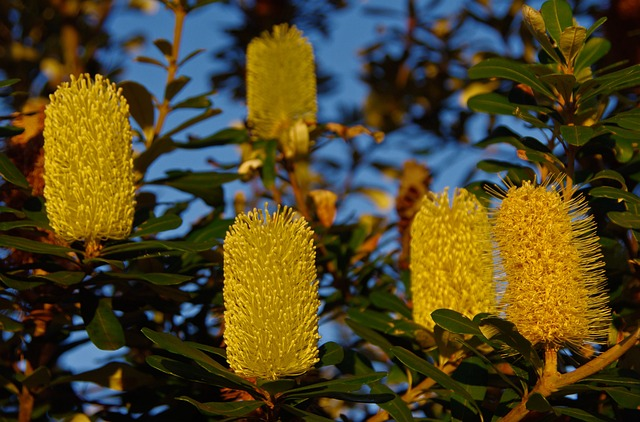
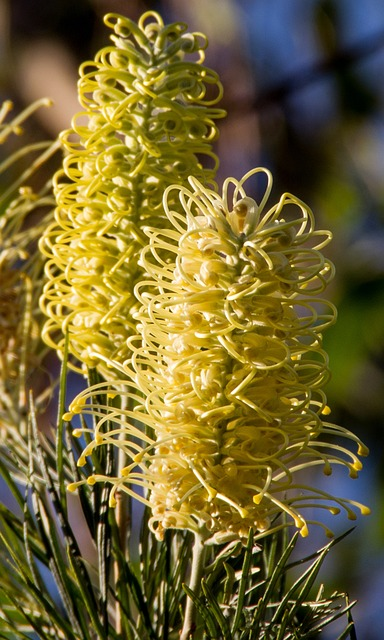
- Include flowering plants like Grevillea, Bottlebrush and Banksia to provide a rich source of nectar.
- Plant species like Native Wattle and Finger Lime that serve as food sources for caterpillars.
Tips
- Plant in clusters to make nectar sources more noticeable to butterflies.
- Include both sun and shade plants to attract a range of butterfly species.
Research and list native plants available locally that serve as nectar and host plants.
Step 2: Designing the Garden Layout
A well thought out layout can not only make your garden more appealing to butterflies but enhance your enjoyment too.
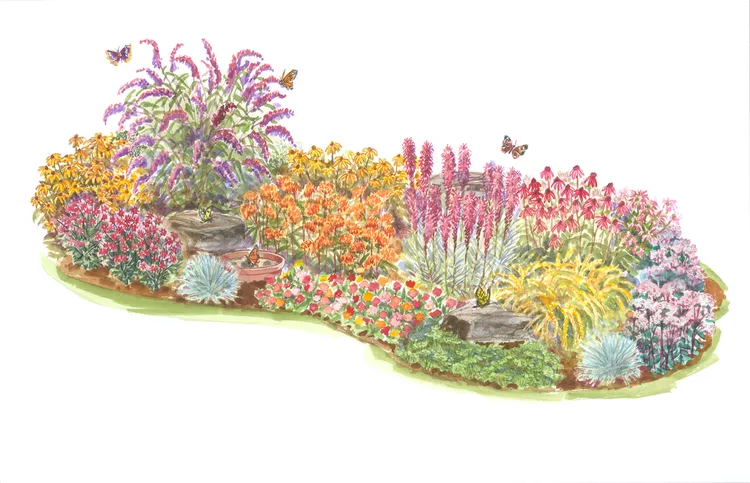
- Arrange plants at different heights to create a natural look and provide shelter.
- Butterflies enjoy sunbathing, so incorporate sunlit areas with flat stones for resting.
Tips
- Use low-growing shrubs as a border around taller plants to create visual depth and easy access for butterflies.
- Place taller nectar plants at the back to allow butterflies room to land and feed.
- Draw a simple plan of your garden and map out sunlit spots for butterfly landing areas.
Step 3: Providing Shelter and Water
Creating a butterfly attracting landscape involves more than just plants; butterflies need places to rest and water sources.
- Plant dense shrubs or add small logs for caterpillars to pupate safely.
- Set up a shallow water dish or birdbath with a few stones where butterflies can safely drink.
Tips
- Keep the water dish shallow and change it regularly to avoid attracting pests.
- Place water sources near nectar plants so butterflies can drink between feeding.
Find a small dish you can use as a butterfly water source and set it up in your garden.
Step 4: Avoiding Chemicals and Using Natural Pest Control
Butterflies are sensitive to pesticides, so using organic pest control methods helps keep your garden safe for them.
- Instead of pesticides, use natural methods like companion planting to deter pests.
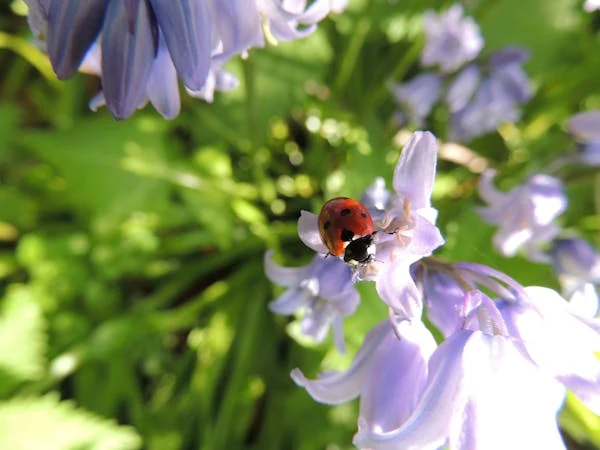
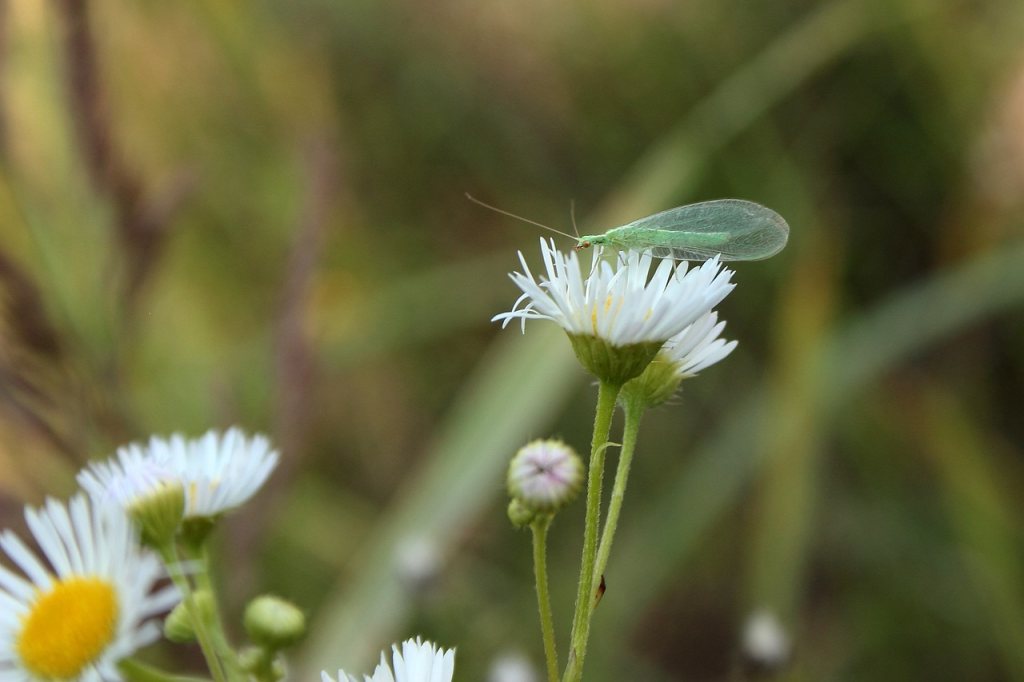
- Ladybugs and lacewings help keep pest populations under control naturally.
Tips
- Plant herbs like basil and marigold, which deter common pests without harming butterflies.
- Check plants regularly for pests, and remove them manually if possible.
Research one natural pest control method to implement in your butterfly garden.
Common Errors and Misconceptions in Butterfly Gardens
Avoiding common mistakes will ensure your butterfly attracting landscape thrives and remains inviting.
#1: Overusing Hybrid Flowers
Many hybrids lack nectar, so choose native varieties instead.
#2: Neglecting Host Plants
Include host plants in your design to support the butterfly life cycle.
#3: Using Too Much Mulch
Butterflies prefer soil or sand for egg laying, so keep some areas mulch free.
A friend tried a purely decorative flower garden but noticed that without host plants, butterflies rarely stayed. Adding a few native host plants turned her garden into a butterfly magnet!
Transform Your Garden into a Butterfly Haven
Creating a butterfly attracting landscape takes thoughtful planning and plant selection, but the rewards are well worth it. With your garden’s beautiful blooms and the lively presence of butterflies, you’ll be creating an oasis for yourself and a sanctuary for native Australian butterflies. Start small, observe which plants attract the most butterflies, and expand as you go.
Additional Resources for Butterfly Gardening
1. Books
- “Butterfly Gardening for Australia” by Densey Clyne
- “Australian Native Plants: Cultivation and Uses in the Health and Environment” by Murray Ralph
2. Websites
- Australian Butterfly Conservation: (www.butterflyconservationsa.net.au)
- Sustainable Gardening Australia: (www.sgaonline.org.au)