
Pros and Cons of Outdoor Fridges for Backyard Living
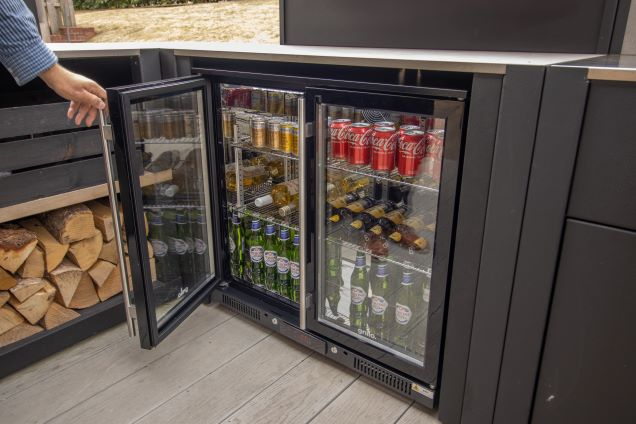
Outdoor fridges have become an essential part of the modern backyard setup. Whether you’re hosting a BBQ, enjoying a quiet evening under the stars, or throwing a pool party, an outdoor fridge offers unparalleled convenience. But are they worth the investment? Let’s delve into the pros, cons, and solutions, along with top product recommendations for Australians.
Pros of Outdoor Fridges
1. Convenience for Entertaining
- Keeps drinks, snacks, and BBQ essentials within arm’s reach, eliminating trips inside.
- Reduces interruptions to your gatherings, allowing you to focus on entertaining.
2. Durability
- Designed to withstand outdoor conditions, including rain, heat, and UV exposure.
- Built with rust-resistant materials like stainless steel.
3. Energy Efficiency
- Many models are designed to be energy-efficient despite outdoor temperature fluctuations.
4. Stylish Integration
- Complements outdoor kitchens, BBQ areas, or patio spaces with sleek designs.
5. Temperature Stability
- Maintains steady cooling even in extreme heat, keeping beverages chilled and food fresh.
Cons of Outdoor Fridges
1. Cost
- Premium models can be expensive compared to standard indoor fridges.
- Long-term maintenance costs may add up due to exposure to outdoor elements.
2. Weather Dependency
- While durable, extreme weather conditions (e.g., heavy rain or prolonged sun exposure) can affect performance and lifespan.
3. Limited Capacity
- Many outdoor fridges are compact and may not accommodate large quantities.
4. Power Requirements
- Outdoor fridges need dedicated electrical setups, potentially adding to installation costs.
5. Noise
- Some models generate more noise due to compressor activity designed to handle temperature extremes.
Possible Solutions
- Weather Protection: Use a weatherproof cover or install the fridge under a shelter to prolong its lifespan.
- Efficient Placement: Position the fridge in a shaded area to reduce energy consumption and wear.
- Regular Maintenance: Clean vents, check seals, and clear debris regularly to maintain efficiency.
- Choose the Right Size: Opt for a model suited to your hosting needs to avoid overpaying for unused capacity.
- Invest in Energy-Efficient Models: Look for fridges with high energy star ratings to reduce operational costs.