
The Ultimate Guide to Vertical Gardens: Efficient Setups, Top Plants, and Maintenance Tips
Vertical gardens have become a buzzword in modern landscaping and urban gardening, offering a perfect solution for those short on space but big on greenery. Whether you’re living in a compact apartment, have a narrow backyard, or simply want to add a lush, green statement wall to your outdoor area, vertical gardens can transform your space into an eco-friendly haven. This guide will walk you through the most efficient setups, the top 10 Australian plants perfect for vertical gardens, and the best techniques to maintain them.
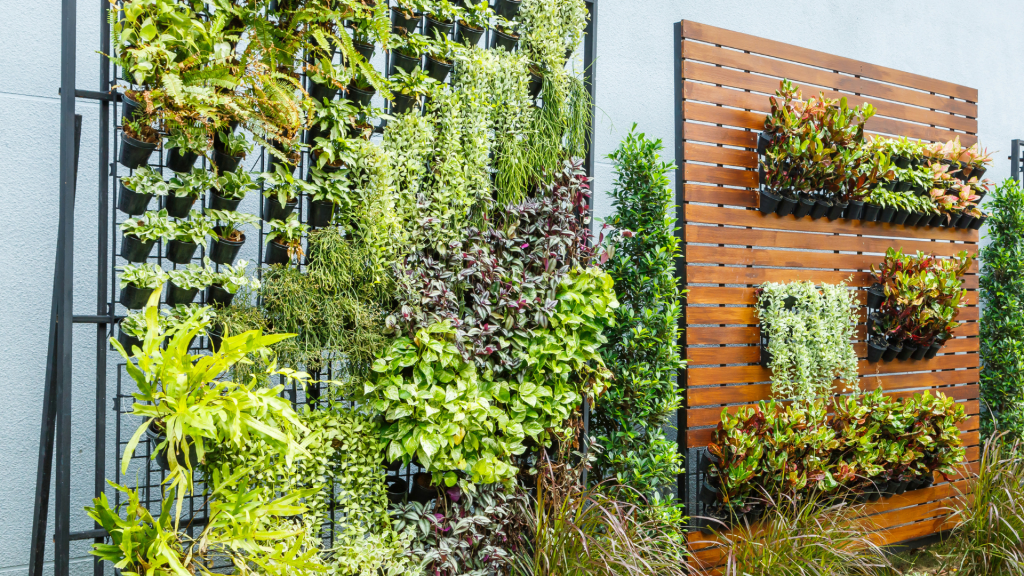
Why Choose a Vertical Garden?
Before we dive into the specifics, let’s look at why vertical gardens are an excellent choice:
- Space-Saving: Vertical gardens use minimal ground space, making them ideal for small backyards, patios, or balconies.
- Aesthetic Appeal: A well-maintained vertical garden creates a stunning visual impact, acting as a living piece of art.
- Environmental Benefits: They improve air quality, provide insulation, and can even help reduce noise levels.
- Practical Gardening: Vertical gardens make harvesting herbs and vegetables easy and accessible.
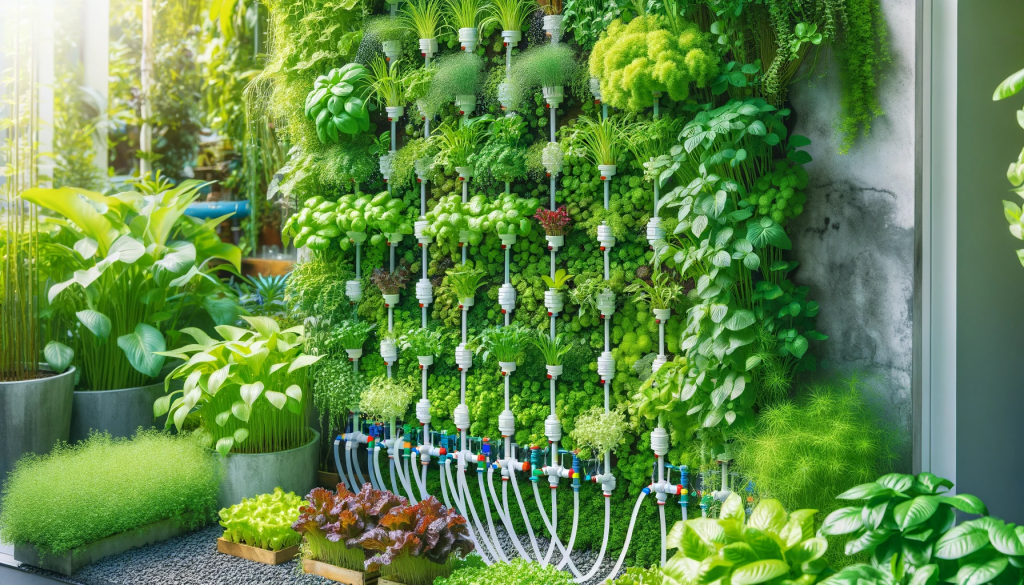
Setting Up Your Vertical Garden: The Most Efficient Way
Creating an efficient vertical garden requires careful planning and the right materials. Here’s how you can set up yours:
1. Choose the Right Structure
Your vertical garden structure depends on your space and preferences:
Wall-Mounted Systems: Perfect for compact spaces, these systems include pots, pockets, or shelves attached to a frame or wall.
Freestanding Frames: Ideal for renters, these frames can be moved around and don’t require wall drilling.
Repurposed Items: Upcycle old ladders, pallets, or shoe organizers for a budget-friendly vertical garden.
2. Select the Perfect Spot
Light: Ensure the area receives adequate sunlight for your chosen plants.
Accessibility: Place your garden where it’s easy to water and maintain.
Protection: Avoid locations prone to high winds or excessive heat.
3. Install Irrigation and Drainage
Efficient irrigation and drainage are crucial for a thriving vertical garden:
Drip Irrigation Systems: Automate watering with a drip system to save time and water.
Proper Drainage: Include trays or sloped designs to prevent waterlogging.
4. Use High-Quality Soil and Fertilizers
Vertical gardens need lightweight soil mixes enriched with organic matter. Regularly add liquid fertilizer to provide nutrients.
5. Layer Your Plants
Organize plants based on their sunlight and water requirements. Place moisture-loving plants at the bottom and drought-tolerant ones at the top.
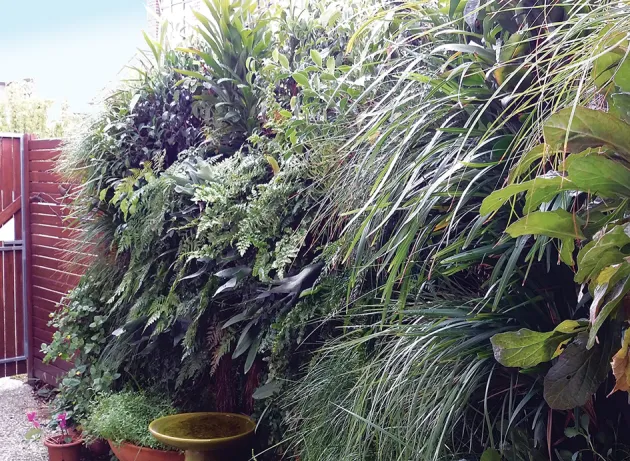
Top 10 Australian Plants for Vertical Gardens
Australia’s unique climate offers a wide variety of plants perfect for vertical gardens. Here are the top 10:
1. Kangaroo Paw (Anigozanthos)
Native to Western Australia, this hardy plant brings vibrant colors and thrives in sunny conditions.
2. Native Violet (Viola hederacea)
A low-maintenance ground cover plant with delicate purple flowers, ideal for shaded areas.
3. Lilly Pilly (Syzygium)
This versatile plant is perfect for hedges and vertical gardens, offering glossy leaves and edible berries.
4. Finger Lime (Citrus australasica)
Compact and fruitful, finger lime adds both beauty and a citrusy harvest.
5. Coastal Rosemary (Westringia fruticosa)
This drought-tolerant shrub with lavender-like flowers suits sunny vertical gardens.
6. Mondo Grass (Ophiopogon japonicus)
A hardy ornamental grass that thrives in vertical pockets and shady spots.
7. Rock Fern (Asplenium)
Adds lush greenery to shaded vertical gardens, perfect for creating a rainforest vibe.
8. Blue Flax Lily (Dianella caerulea)
Known for its vibrant blue flowers and berries, it’s a low-maintenance choice for sunny or semi-shaded areas.
9. Strawberry Plants (Fragaria)
These compact fruiting plants are not only delicious but also thrive in vertical gardens.
10. Succulents (Various Species)
Low-maintenance and water-efficient, succulents like echeverias and sedums are ideal for sunny vertical gardens.
Techniques to Maintain a Thriving Vertical Garden
A vertical garden requires a bit of extra attention compared to traditional gardens. Here are the best maintenance techniques:
1. Regular Watering
Frequency: Most vertical gardens need daily watering in hot climates. Drip irrigation systems are highly recommended.
Watch for Dry Spots: Ensure all plants receive adequate water, especially those at the top.
2. Fertilization
Feed your plants every 4-6 weeks with a liquid fertilizer suited to their needs. Organic options like seaweed solutions work well.
3. Pruning and Trimming
Remove dead leaves and flowers to keep your garden looking tidy.
Regularly trim fast-growing plants to prevent overcrowding.
4. Pest and Disease Control
Check plants for pests like aphids or spider mites.
Use natural pest control methods, such as neem oil, to avoid chemical residues.
5. Soil and Drainage Check
Refresh soil in pockets or containers annually.
Ensure drainage holes remain unobstructed to prevent root rot.
6. Sunlight Management
Rotate plants occasionally to ensure even sunlight exposure.
Add shade cloths if the garden gets excessive sun.
7. Seasonal Care
Replant seasonal plants like strawberries or herbs to maintain a vibrant garden year-round.
Mulch soil pockets to retain moisture during hot summers.
Bonus Tips for Vertical Garden Enthusiasts
- Incorporate Edibles: Include herbs like parsley, basil, and thyme for a functional garden that supplies your kitchen.
- Use Mulch: Reduce evaporation and keep soil moist with a thin layer of mulch.
- Mix Textures and Colors: Combine flowering plants, grasses, and leafy greens for a visually striking display.
- Experiment with Heights: Use varying plant heights to create depth and dimension in your vertical garden.
Final Thoughts
Vertical gardens are more than just a trend; they’re a practical, beautiful, and sustainable way to enhance your backyard or living space. By choosing an efficient setup, planting the right species, and maintaining them with care, you’ll create a thriving green wall that’s the envy of your neighbors.
Whether you’re a seasoned gardener or a beginner looking to dip your toes into the world of vertical gardens, the rewards are worth the effort. Start small, experiment with different plants and enjoy the satisfaction of cultivating your very own vertical oasis.