
A Guide to BBQ and Smokers: History, Types and the Best Setups for Backyard Cooking
Few things in life rival the satisfaction of firing up the grill or smoker, inviting friends and family over and enjoying the art of cooking outdoors. From juicy steaks to smoky briskets, BBQ and smokers have been central to backyard gatherings for generations. But what are the origins of these cooking methods? How do you choose between a BBQ or smoker? And what is the most efficient setup to make your next cookout a success?
Whether you’re a BBQ novice or an aspiring pitmaster, this blog will explore the fascinating history of BBQ and smokers, break down the key types of each and help you determine which method suits your backyard and cooking style best.
A Brief History of BBQ and Smokers
The love for smoky, flame-kissed food stretches back thousands of years. Cooking meat over fire was one of humanity’s first culinary discoveries, but the term “barbecue” (or BBQ) finds its roots in the Caribbean. Spanish explorers encountered indigenous tribes using a wooden structure called a barbacoa to slow-cook meat over fire.
From the Caribbean, BBQ techniques traveled to the American South, evolving into the low-and-slow method we know today, particularly famous for tender pulled pork and beef brisket.
Smokers, on the other hand, date back even further. Smoking meat was a vital preservation method before refrigeration existed. Over time, this technique became less about survival and more about flavour. Today, smokers allow pitmasters to infuse meats with rich, smoky aromas that are impossible to replicate with other cooking methods.
Both BBQ and smokers continue to play a central role in backyard cooking worldwide, offering unique cooking experiences and flavours that bring people together.
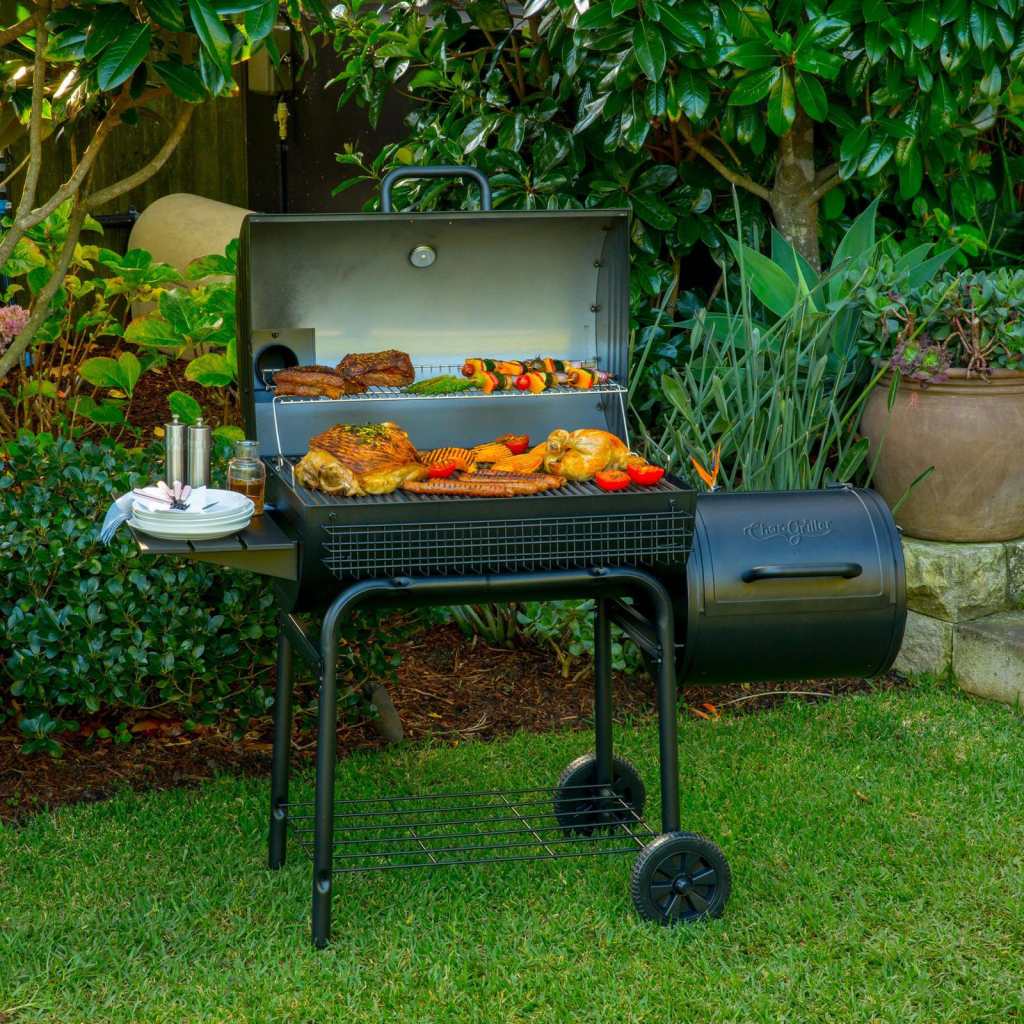
Source: Bunnings
The Key Types of BBQ and Smokers
Understanding the differences between BBQs and smokers can help you make the best choice for your backyard setup. Each method has its strengths, so here’s a breakdown of the key types:
Types of BBQs
1. Gas BBQs
- Pros: Fast, convenient and easy to control temperature.
- Cons: Lacks the smoky flavour of traditional BBQ.
- Best For: Weeknight grilling or quick meals like burgers, sausages and chicken.
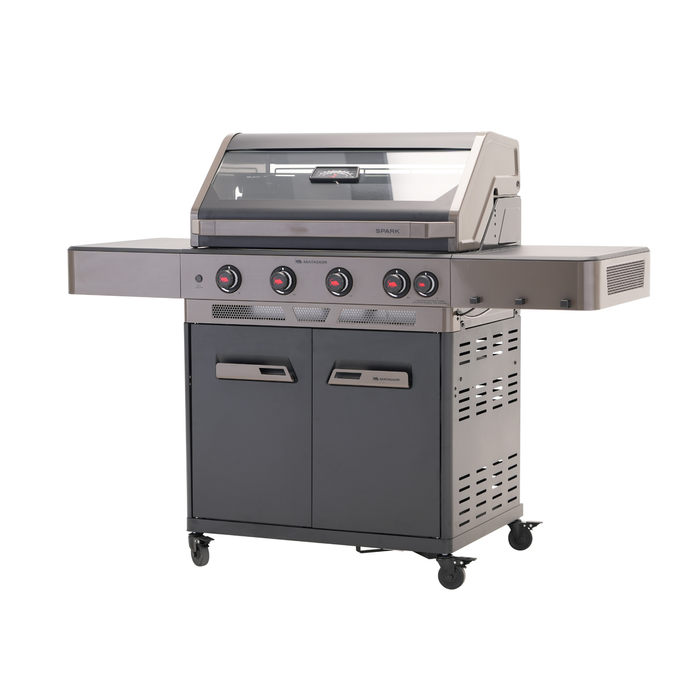
Source: Bunnings – 4 Burner Gas BBQ
2. Charcoal BBQs
- Pros: Adds the classic smoky BBQ flavour that gas cannot replicate.
- Cons: Requires more time to light and clean up.
- Best For: BBQ purists who love grilling steaks, ribs and other meats with high heat.
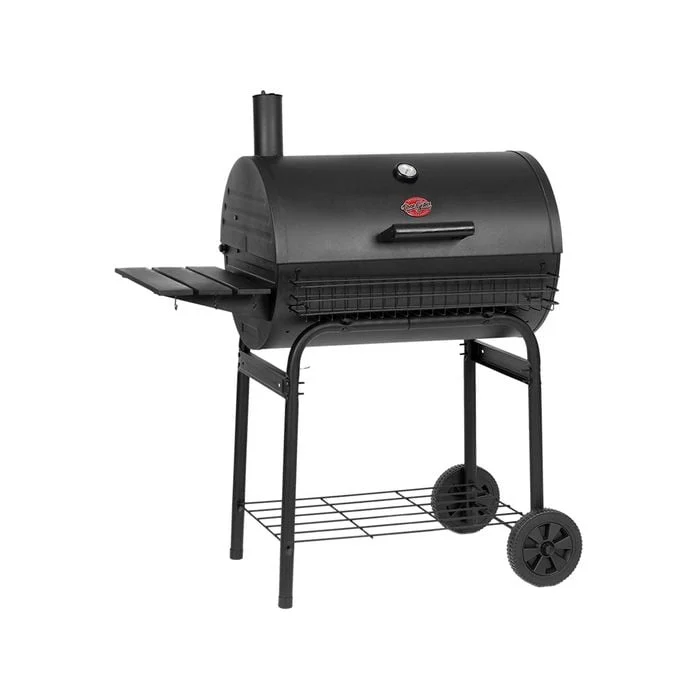
Source: Bunnings – Charcoal BBQ
3. Pellet Grills (Hybrid BBQ and Smoker)
- Pros: Combines the benefits of grilling and smoking with automated temperature control.
- Cons: Requires wood pellets, which can be costly.
- Best For: Those who want versatility and ease of use without compromising on smoky flavour.
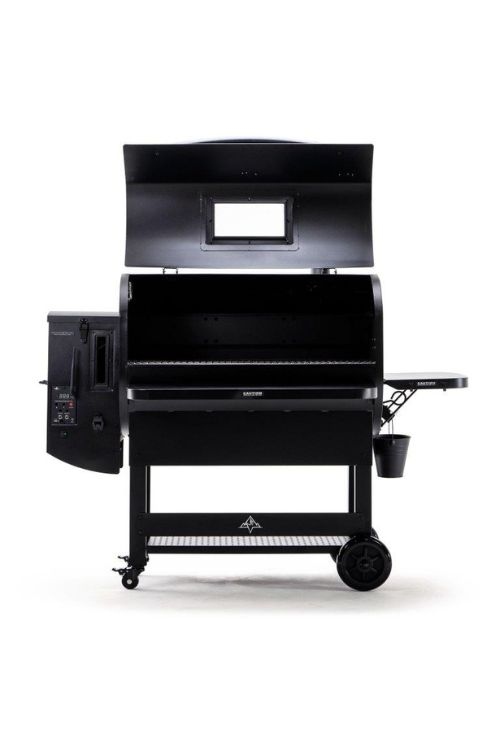
Source: Sticks and Stones Outdoor – Hybrid BBQ and Smoker
4. Electric BBQs
- Pros: Convenient for urban settings with restrictions on gas or charcoal.
- Cons: Lacks traditional BBQ flavour.
- Best For: Small balconies or patios.
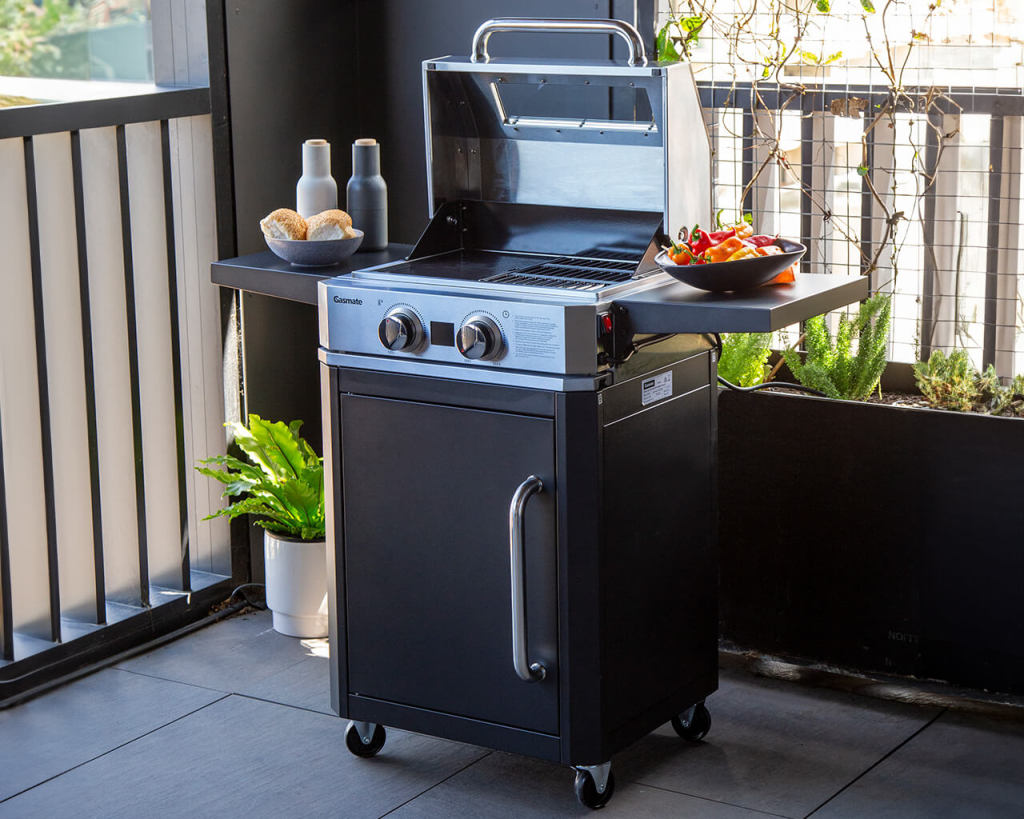
Source: Barbeques Galore – Digital Electric BBQ
Types of Smokers
1. Offset Smokers
- Pros: Classic design perfect for low-and-slow cooking; excellent for large cuts of meat.
- Cons: Requires skill to manage heat and smoke flow.
- Best For: Traditionalists who enjoy the challenge of authentic smoking.
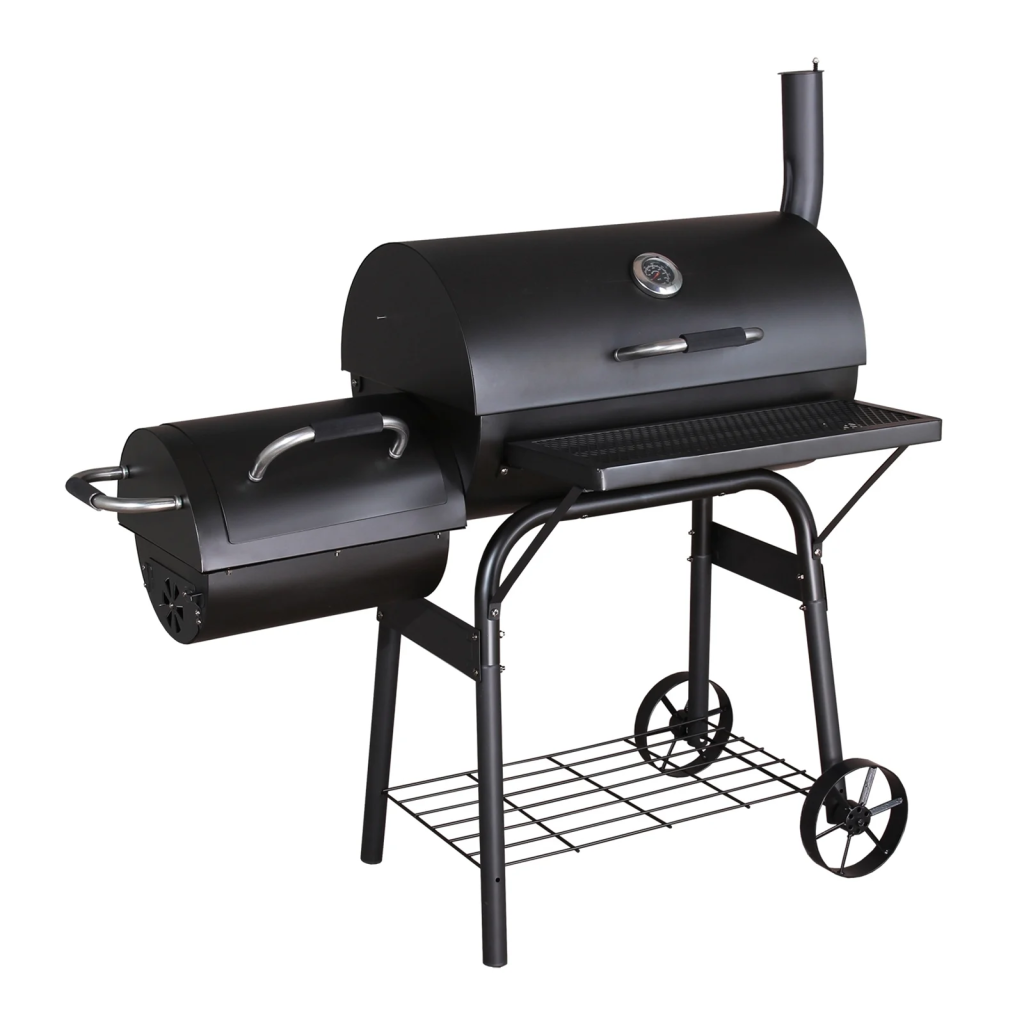
Source: Bunnings – BBQ Smoker with Offset Side Box
2. Vertical Water Smokers
- Pros: Compact and efficient, ideal for beginners.
- Cons: Limited capacity for larger cooking.
- Best For: Home cooks who want to smoke meat with minimal fuss.
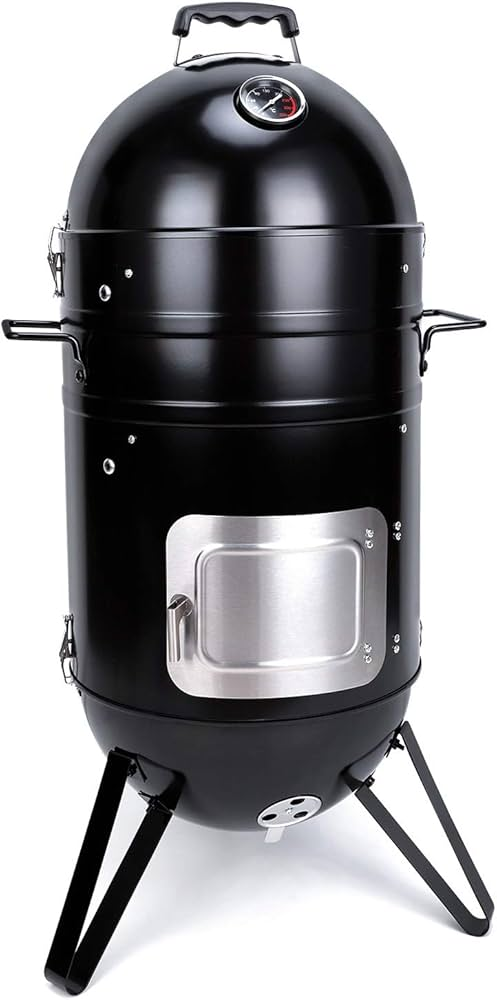
Source: Amazon – Charcoal Smoker Grill Vertical Combo Water Smoker
3. Kamado Smokers (Ceramic Grills)
- Pros: Excellent heat retention for smoking, grilling, or baking.
- Cons: Expensive and heavy.
- Best For: Those who value versatility and consistent results.
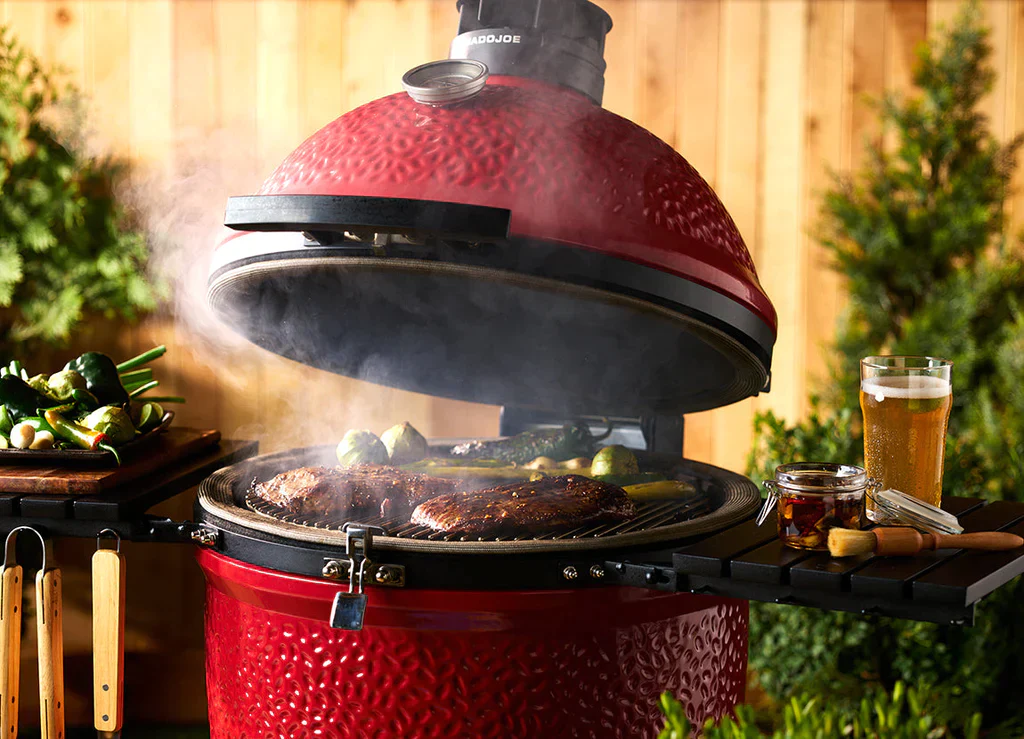
Source: Oz BBQ – Komado Classic Smoker
4. Pellet Smokers
- Pros: Automated temperature control makes smoking foolproof.
- Cons: Dependence on wood pellets and electricity.
- Best For: Busy backyard chefs who want great results without constant monitoring.
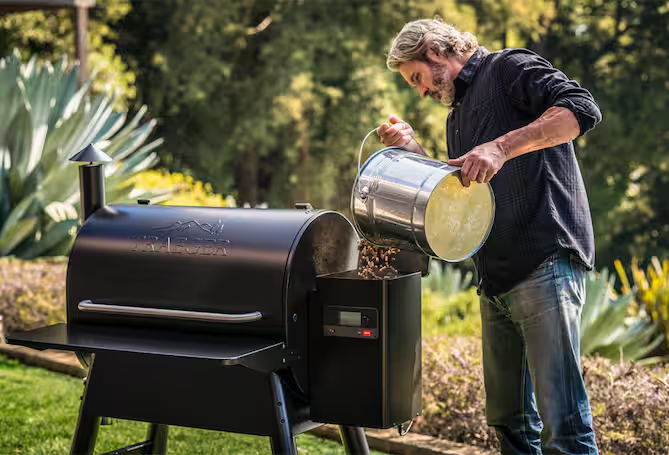
Source: Best Buy – Pellet Smoker
The Most Efficient Setup for BBQ and Smokers
To get the most out of your BBQ or smoker, you need an efficient backyard cooking setup. Here’s how to create a setup that balances functionality, comfort and style:
1. Designate a Cooking Zone
Place your BBQ or smoker on a level, fire-safe surface like concrete, brick, or pavers.
Ensure good ventilation and keep the area clear of overhanging trees or structures.
2. Fuel and Tools Station
If using a charcoal or wood smoker, keep your fuel dry and nearby.
Invest in quality tools like tongs, spatulas, meat thermometers and a sturdy BBQ brush for cleaning.
3. Prep and Serve Areas
A table or bench next to your cooking zone will help with prepping meats, sauces and marinades.
Use serving trays or warming pans to keep cooked food hot and ready to serve.
4. Lighting and Safety
Add outdoor lighting for evening BBQs.
Keep a fire extinguisher or bucket of water nearby for emergencies.
5. Comfort and Seating
Create a cozy seating area with shade, comfortable chairs and a table for dining.
Position your smoker or BBQ so that smoke blows away from your guests.
Pros and Cons of BBQ and Smokers
Both BBQs and smokers offer unique advantages depending on your cooking style and preferences. Here’s a quick comparison:
Pros of BBQs
Fast Cooking: Perfect for weeknight dinners or casual meals.
Variety: Grill everything from steaks to veggies and seafood.
User-Friendly: Gas BBQs, in particular, are easy to control and maintain.
Cons of BBQs
Flavour: Gas BBQs lack the rich, smoky flavour of charcoal or wood.
Limited Slow-Cooking: BBQs excel at high-heat cooking but struggle with low-and-slow recipes.
Pros of Smokers
Superior Flavour: Smokers create unmatched smoky, tender meats.
Perfect for Large Cuts: Ideal for brisket, pork shoulder and ribs.
Slow and Relaxing: Smoking is a patient process perfect for weekend gatherings.
Cons of Smokers
Time-Consuming: Smoking requires hours of cooking.
Learning Curve: Managing temperature and smoke flow takes practice.
Space: Smokers can be bulky, depending on the type.
Conclusion: BBQ or Smokers – Which Is Right for You?
At the end of the day, the choice between BBQ and smokers depends on your cooking style and the flavours you want to achieve. If you value speed, convenience and versatility, a gas or charcoal BBQ may suit your backyard best. On the other hand, if you have the time and passion to master low-and-slow cooking, a smoker will reward you with rich, smoky meats that wow your guests.