
Discover the Joy of Growing Australian Native Fruit Plants in Your Backyard
Source: NSW National Parks
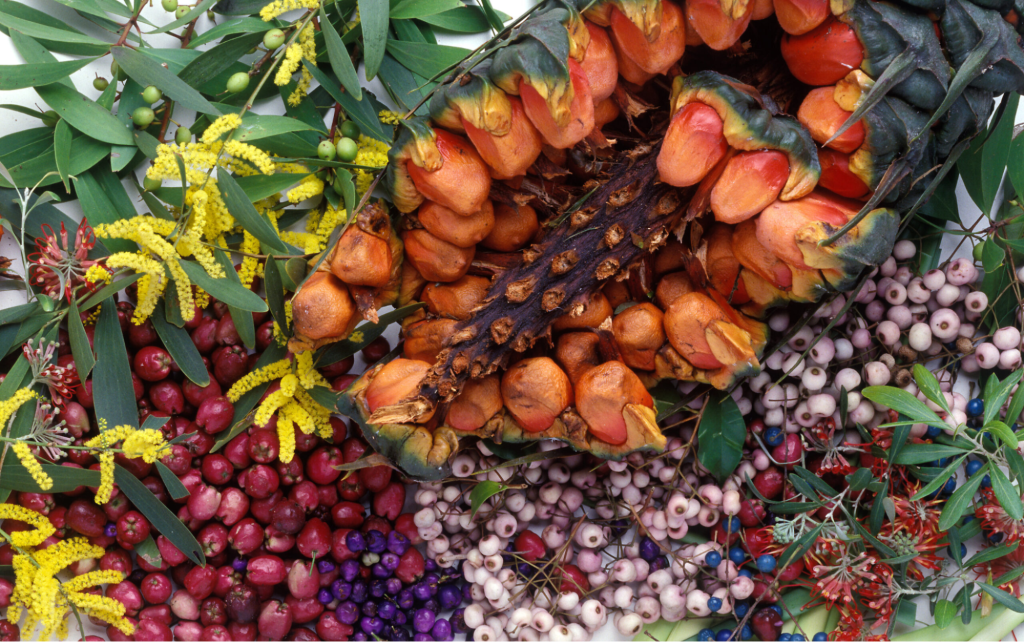
Imagine stepping into your backyard and harvesting delicious, unique fruits that are not only packed with flavour but also rooted in Australia’s rich biodiversity. Australian native fruit plants are an incredible addition to any garden, offering resilience to the local climate, minimal maintenance and the satisfaction of growing something uniquely Australian.
In this guide, we’ll introduce you to 10 Australian native fruit plants that are perfect for your backyard, along with tips to keep them thriving. Whether you’re a beginner gardener or a seasoned green thumb, these native gems will add both beauty and bounty to your outdoor space.
1. Finger Lime (Citrus australasica)
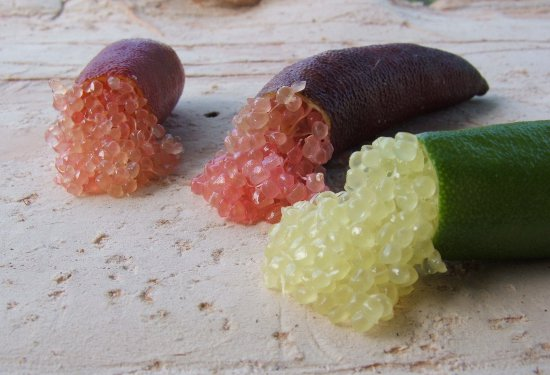
Often called the “caviar of citrus,” finger limes are slender fruits filled with tiny, tangy pearls. These limes come in various colors, from pale green to vibrant pink and are perfect for garnishing dishes and cocktails.
Care Tips:
- Plant in well-drained soil in full sun to partial shade.
- Water consistently, especially during the fruiting season.
- Prune regularly to encourage growth and remove dead wood.
Source: Witjuti Grub Bushfood Nursery. Finger Lime (Citrus Australasia)
2. Davidson’s Plum (Davidsonia spp.)
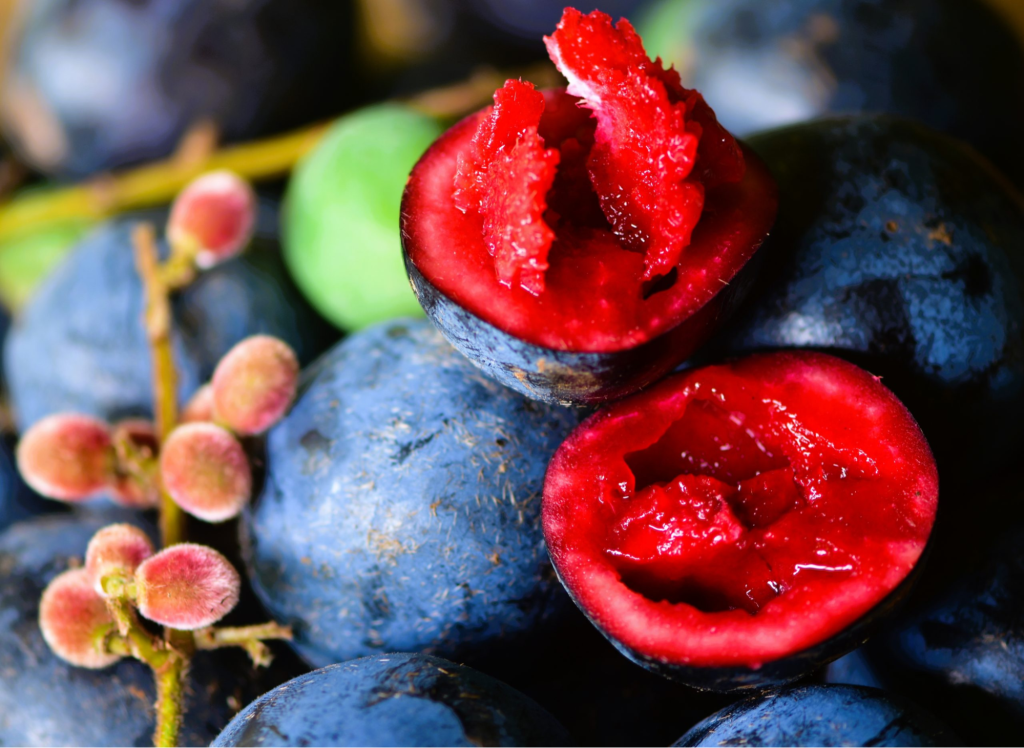
Davidson’s plum produces deep purple, tart fruit that is fantastic for jams, sauces, and desserts. It grows as a slender, tropical-looking tree that adds a touch of rainforest elegance to any garden.
Care Tips:
- Prefers a shaded or semi-shaded location with rich, moist soil.
- Water regularly, especially in drier months.
- Mulch around the base to retain moisture and suppress weeds.
Source: Rainforest Heart Davidson Plum
3. Bush Tomato (Solanum centrale)
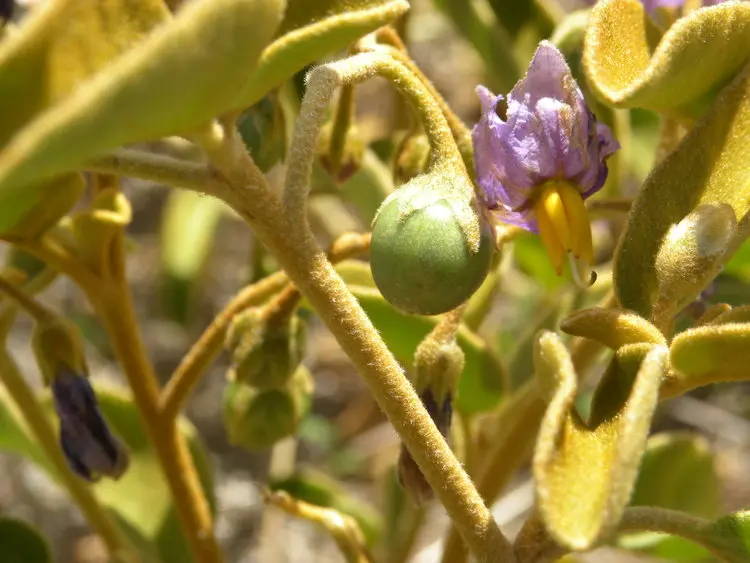
Also known as “Desert Raisin,” bush tomatoes are small, earthy-flavoured fruits native to Central Australia. They are often dried and used as a flavour enhancer in stews and sauces.
Care Tips:
- Plant in well-drained soil with plenty of sun.
- Water sparingly; these plants are drought-tolerant.
- Watch for pests and diseases common to other tomato varieties.
Source: South Australian Native Food Association Bush Tomato (Solanum centrale)
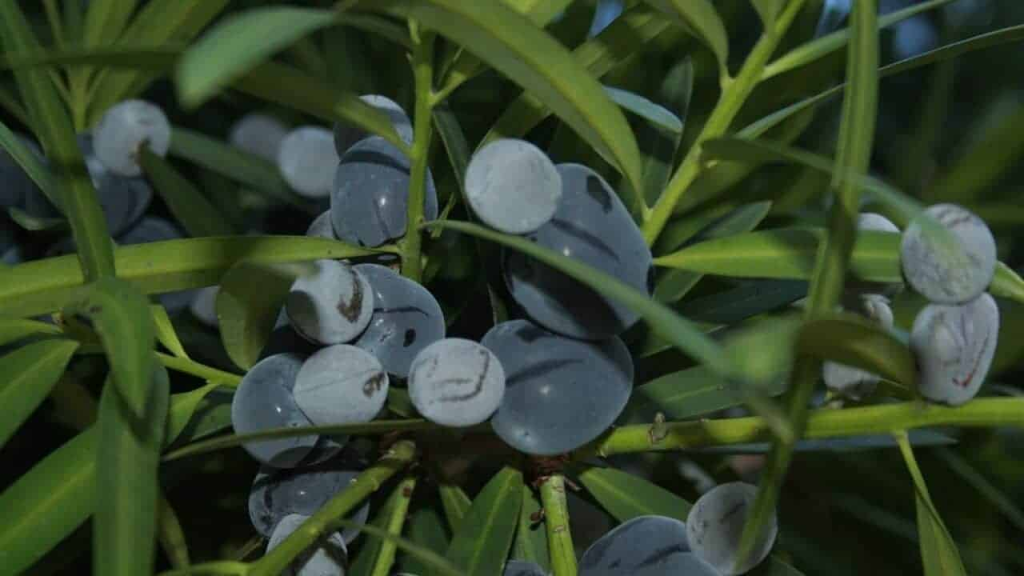
4. Illawarra Plum (Podocarpus elatus)
The Illawarra plum tree produces dark purple fruit with a sweet and slightly resinous flavour, often compared to plums and grapes. The fruit is perfect for preserves, sauces, or fresh eating.
Care Tips:
- Plant in full sun to partial shade with well-drained soil.
- Ensure regular watering until established.
- Protect young plants from frost.
Source: Tucker Bush Illawarra Plum (Podocarpus elatus)
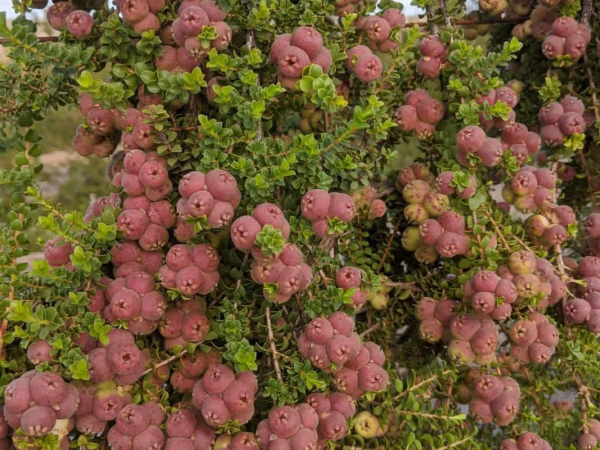
5. Muntries (Kunzea pomifera)
Muntries are small, colorful berries with a spicy apple-like flavour. These berries are rich in antioxidants and are fantastic in muffins, salads, and jams.
Care Tips:
- Grow in well-drained, sandy soils in full sun.
- Water moderately; avoid waterlogging.
- Prune to maintain shape and encourage fruiting.
Source: Bush Tucker Babies Muntries (Kunzea pomifera)
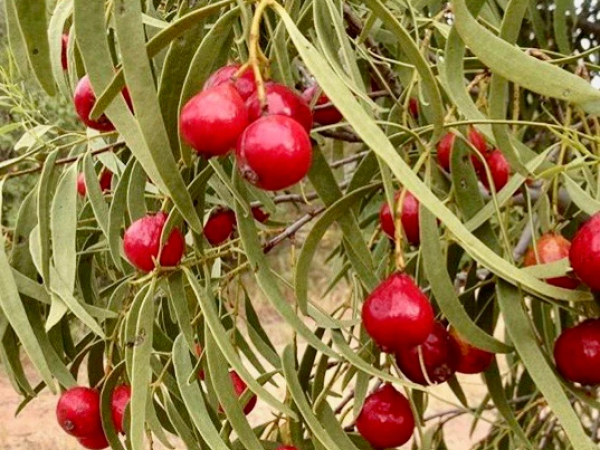
6. Quandong (Santalum acuminatum)
Known as the “Native Peach,” quandongs are bright red fruits with a tart flavour. They’re excellent for pies, jams, and chutneys, and their seeds are highly valued for oil production.
Care Tips:
- Plant in well-drained soil with full sun exposure.
- Quandongs are semi-parasitic and need a host plant nearby, such as wattles or grasses.
- Water sparingly, as they are well-adapted to dry conditions.
Source: Local Food Connect Quandong (Santalum acuminatum)
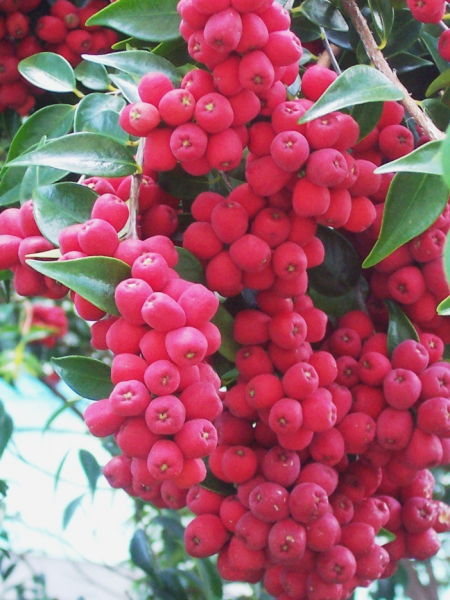
7. Riberry (Syzygium luehmannii)
Riberries are glossy pink fruits with a tangy cranberry-like flavour. They’re excellent in jams, sauces, and syrups and grow on an evergreen rainforest tree.
Care Tips:
- Plant in rich, moist soil with partial shade.
- Water frequently, especially during the growing season.
- Prune to maintain shape and encourage new growth.
Source: Wikipedia Riberry (Syzgium luehmannii)
8. Kakadu Plum (Terminalia ferdinandiana)
This superfood is renowned for its exceptionally high vitamin C content. Kakadu plums are small, greenish fruits with a slightly tart flavour, perfect for smoothies, powders, and health products.
Care Tips:
- Plant in well-drained soil with plenty of sunlight.
- Once established, the plant is drought-tolerant and requires minimal watering.
- Protect young plants from harsh frosts.
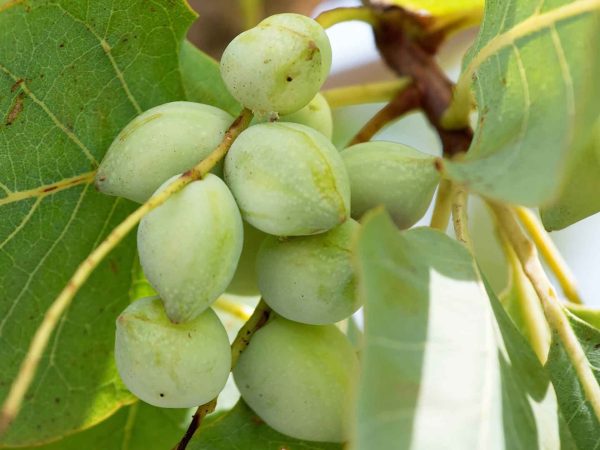
Source: The Northern Australia Aboriginal Kakadu Plum Alliance (NAAKPA)
9. Lemon Myrtle (Backhousia citriodora)
While not a fruit-producing plant, lemon myrtle is a must-have native with fragrant leaves that impart a strong lemon flavour to teas, desserts, and marinades.
Care Tips:
- Plant in well-drained, slightly acidic soil in a sunny location.
- Water regularly during the growing season.
- Prune lightly to promote dense, healthy growth.
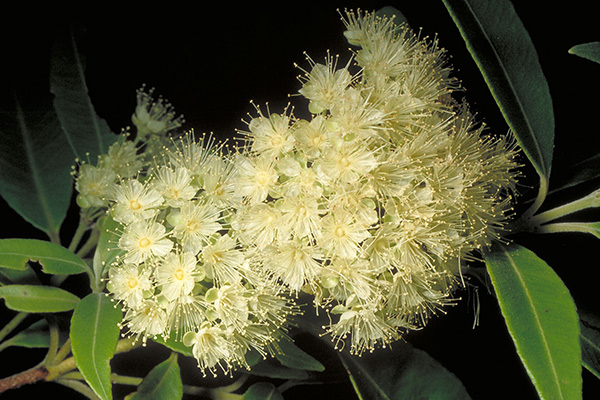
Source: Australian Native Plants Society (Lemon Myrtle (Backhousia citriodora)
10. Native Currant (Coprosma quadrifida)
Native currants are small, bright red fruits with a tangy taste, perfect for preserves or fresh snacking. This hardy shrub can thrive in a variety of climates.
Care Tips:
- Plant in well-drained soil in a sunny or semi-shaded spot.
- Water moderately and ensure good airflow around the plant.
- Mulch to conserve moisture and prevent weed growth.
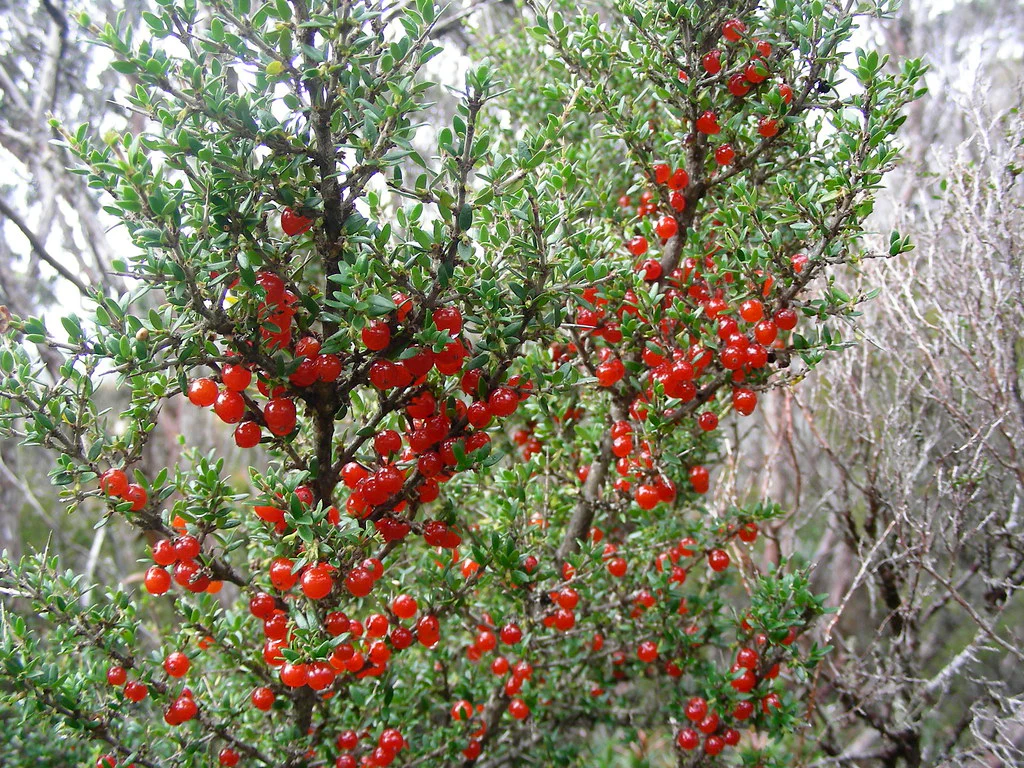
Source: iNaturalist Native Currant (Coprosma quadrifida)
How to Care for Australian Native Fruit Plants
Caring for Australian native fruit plants is surprisingly simple. Here are a few key tips to ensure your backyard bounty thrives:
1. Choose the Right Spot: Most native plants prefer well-drained soil and plenty of sunlight. Check the specific needs of each plant, as some, like Davidson’s plum, enjoy partial shade.
2. Water Wisely: While many native plants are drought-tolerant, young plants will need regular watering until they establish strong roots.
3. Feed Naturally: Use slow-release, organic fertilizers to provide essential nutrients without overloading the soil.
4. Mulch: Mulching helps retain soil moisture, suppress weeds, and keep the roots cool.
5. Prune Regularly: Regular pruning encourages bushier growth, improves airflow, and promotes fruiting.
6. Monitor for Pests: While natives are generally hardy, keep an eye out for common garden pests like aphids and caterpillars.
7. Plant Companions: Companion plants like wattles can enhance the growth of certain species like quandongs.
Why Choose Australian Native Fruit Plants?
1. Adaptability: Native plants are naturally suited to Australia’s diverse climate, making them resilient and low-maintenance.
2. Unique Flavours: Enjoy flavours you can’t find anywhere else, from the zesty finger lime to the tart quandong.
3. Attract Wildlife: Many native plants attract pollinators, birds, and beneficial insects to your garden.
4. Sustainability: Growing native plants reduces the need for water, fertilizers, and chemicals.
5. Cultural Connection: Celebrate Australia’s Indigenous heritage by growing and enjoying native bush foods.
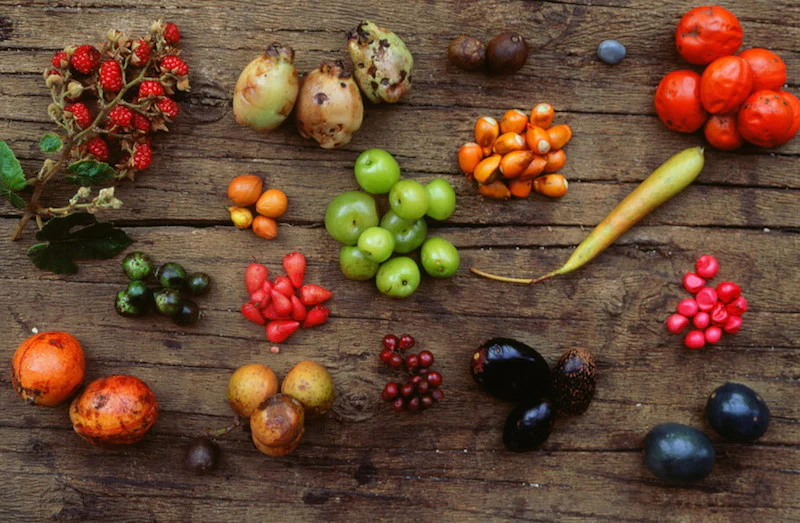
Start Growing Your Native Fruit Garden Today
Australian native fruit plants are not only a joy to grow but also a rewarding way to connect with the land. From the tangy pearls of finger lime to the antioxidant-rich Kakadu plum, these plants bring both beauty and benefits to your backyard.
With the right care and a little patience, you’ll enjoy a vibrant, sustainable garden that produces unique and delicious fruits year after year. So why not start planting today and savour the flavours of Australia’s native bounty?
Growing Australian native fruit plants is a wonderful way to enjoy local, sustainable produce and add a touch of Australian heritage to your backyard. Happy planting!