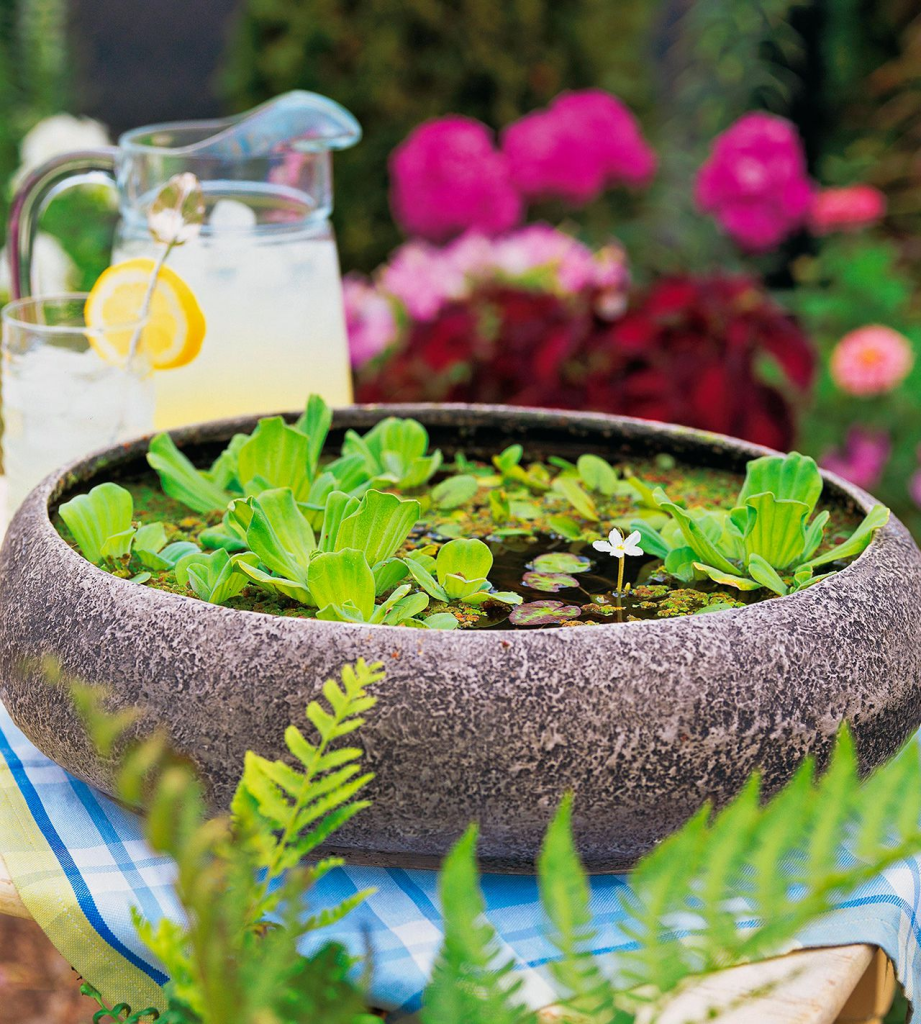
Building a Water Feature:
Create a Beautiful, Health-Boosting Oasis
for You and Native Wildlife
Building a water feature in your garden is more than just a design upgrade; it’s an investment in both personal well being and the local ecosystem. Water features bring calming sounds, improve air quality and offer a refreshing habitat for native animals. In this guide, we’ll explore the benefits of adding a water feature and walk you through the steps to build one, so you can create a peaceful and ecologically supportive retreat.
Step 1: Choosing the Right Water Feature for Your Space
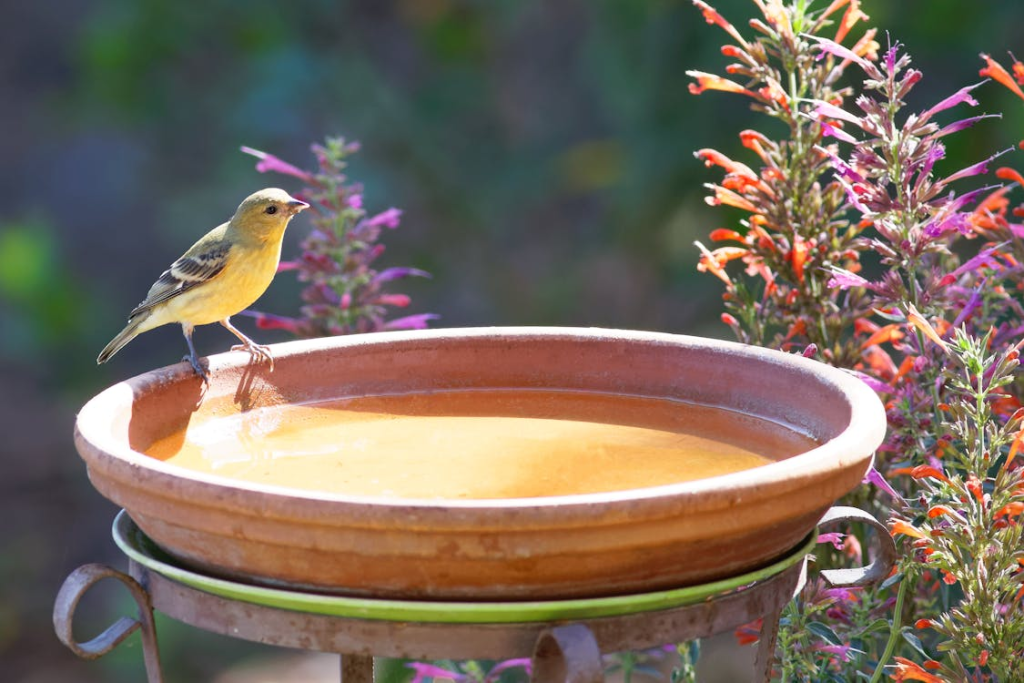
- Water features come in many shapes and sizes, from simple birdbaths to elaborate ponds. Choosing the right feature sets the foundation for a low-maintenance, eco-friendly addition.
- Measure your garden area, accounting for the natural sunlight, shade, and proximity to your seating area.
- Decide between a pond, fountain, birdbath or waterfall based on the space available and your aesthetic goals.
Tips
- For a smaller space, consider a tabletop fountain or a birdbath.
- Choose materials that blend well with your existing garden design, such as natural stones for a more organic look.
Draw a quick sketch of your garden and note potential spots for your water feature.
Step 2: Planning for Health and Wildlife Benefits
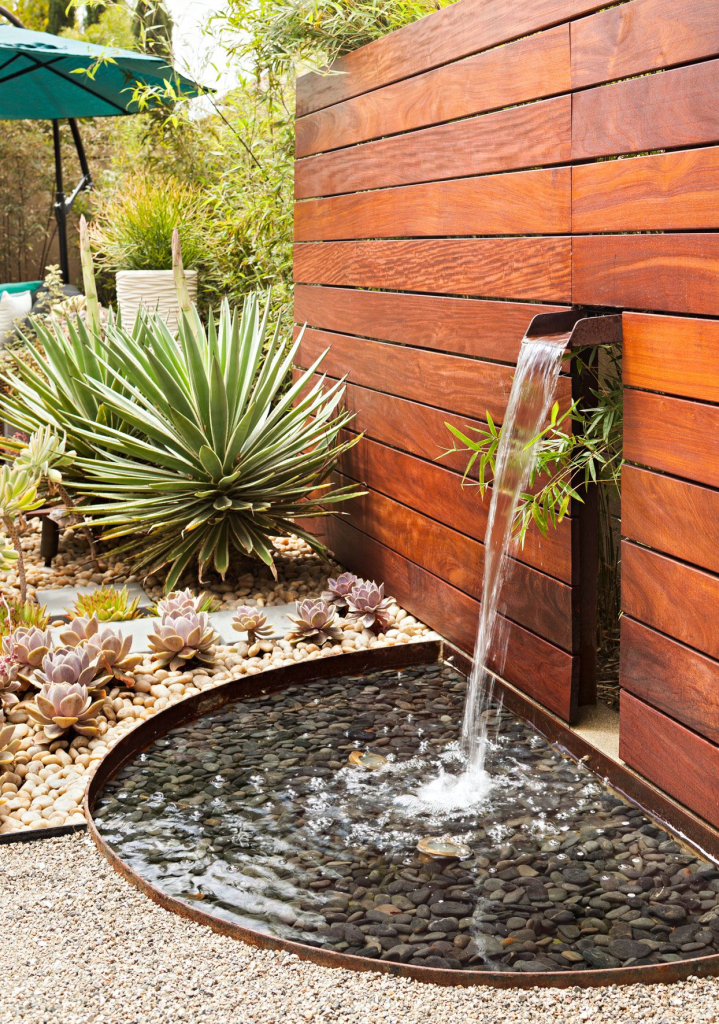
Water features enhance well-being by providing relaxing sounds and attracting wildlife, which contributes to local biodiversity.
- Incorporate native plants around the water feature to attract local fauna and create a natural look.
- Place flat stones or small logs for birds, frogs, and insects to perch or rest on.
Tips
- Look for plants that grow well near water, such as native ferns, rushes or water lilies.
- Avoid invasive species that could disrupt local habitats.
List three local plants that would thrive around a water feature and support native wildlife.
Step 3: Building and Installing Your Water Feature
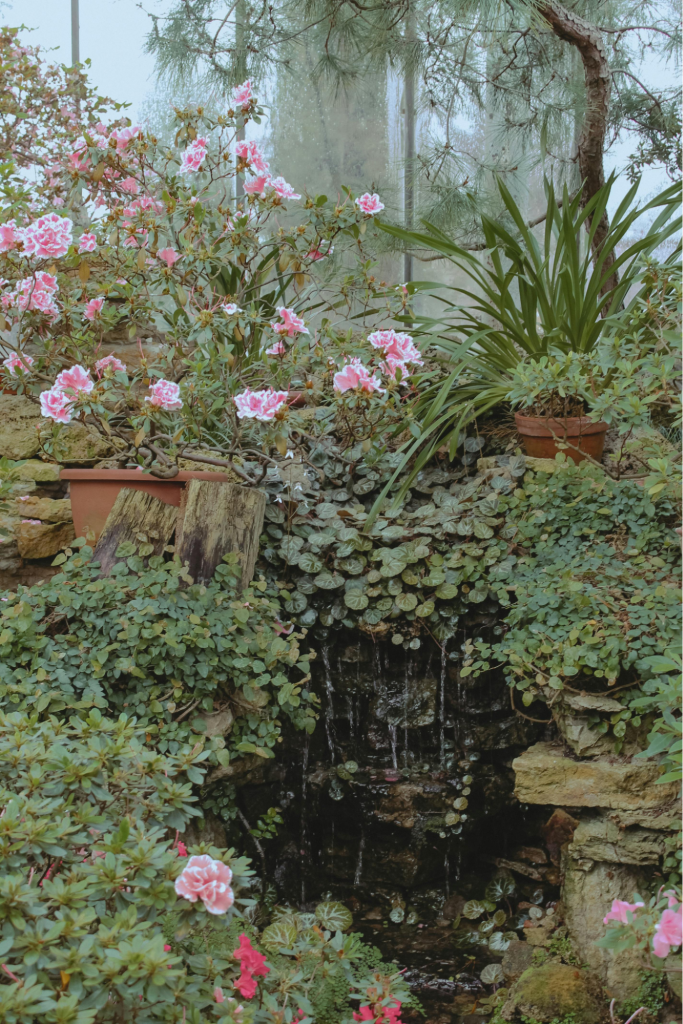
Building a water feature requires careful setup to ensure efficient water flow and minimize maintenance needs.
- If you’re installing a pond, dig a hole and line it with a waterproof membrane.
- For features requiring water movement, install a submersible pump that circulates water.
- Arrange rocks, plants and any decorations to blend with the landscape.
Tips
- Choose a pump that suits the water volume; consult a specialist for guidance if needed.
- Place stones around the edge to secure liners and provide natural hiding spots for small animals.
Research local suppliers for pumps and liners and compare options for energy efficiency.
Step 4: Maintaining Your Water Feature
Consistent care ensures your water feature remains a safe and inviting spot for you and native wildlife.
- Keep the water clean by removing debris and checking for algae growth.
- Clean the pump and empty the feature if freezing temperatures are a concern.
Tips
- Use natural cleaners or barley straw to control algae growth in an eco-friendly way.
- Set up a regular maintenance schedule to make upkeep manageable.
Set up a reminder on your phone for monthly water feature maintenance.
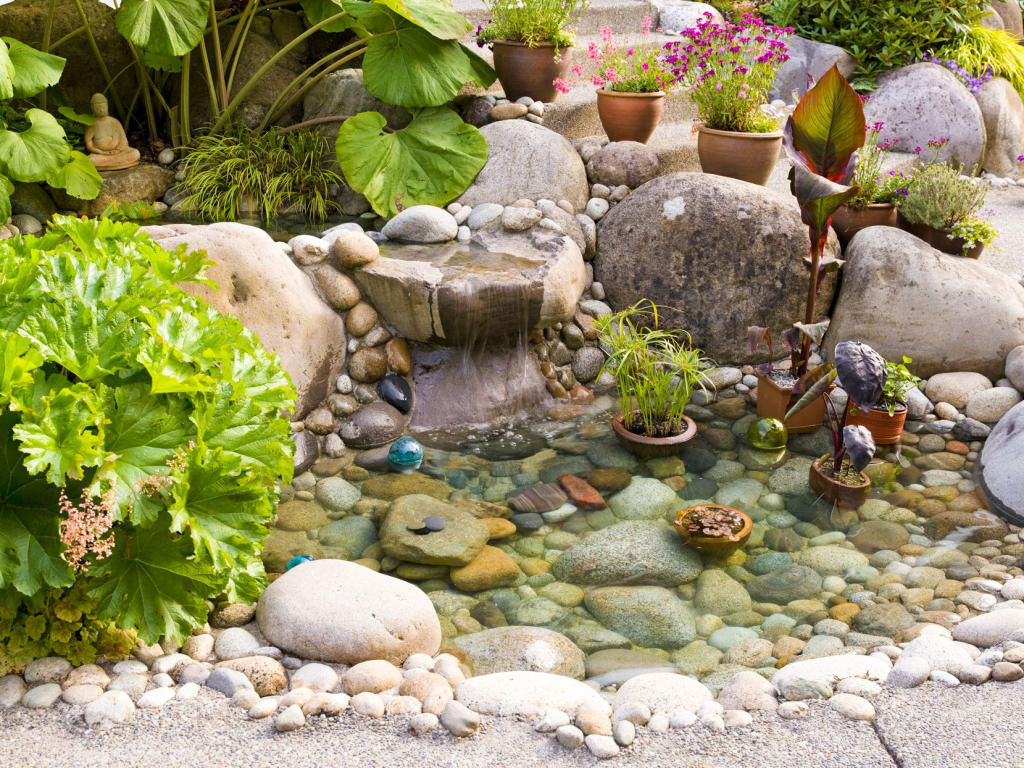
Common Errors and Misconceptions in Building a Water Feature
Understanding common mistakes helps avoid issues that could impact the health of your water feature and its surroundings.
#1: Not Leveling the Foundation
Always double-check for level ground before placing your water feature to avoid water imbalance.
#2: Overlooking Local Regulations
Check local rules and permits, especially for larger ponds or water features that may have specific requirements.
#3: Using Chemicals That Harm Wildlife
Choose natural cleaning solutions to maintain a safe environment for birds and insects.
A reader shared how an improperly placed water feature caused overflow issues after rain, leading to plant damage around the perimeter. Leveling would have prevented this!
Embrace the Benefits of Your New Water Feature
Building a water feature adds both beauty and a range of health benefits to your outdoor space. By creating a spot that supports native wildlife, you’re enriching the environment and promoting local biodiversity. Start small, stay mindful of local plants and animals, and enjoy the tranquility that water brings to your backyard.
Additional Resources for Building a Water Feature
1. Books
- “Garden Ponds, Fountains & Waterfalls” by Kathleen Fisher
- “The Complete Pond Builder” by Helen Nash
2. Websites
- The Pond Guy (www.thepondguy.com)
- Australian Native Plants Society (www.anpsa.org.au)