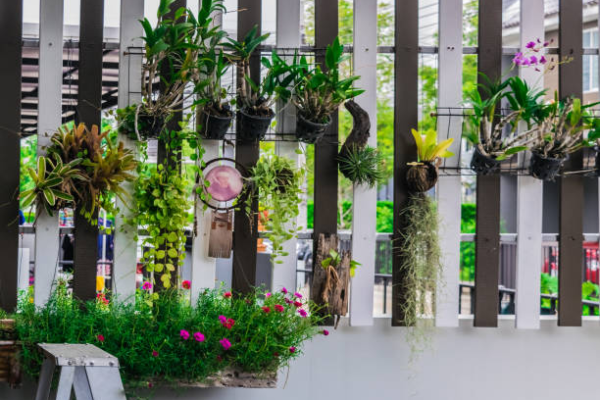
Designing and Building a Small Vertical Garden: Create a Beautiful and Edible Green Space
Designing and building a small vertical garden is an innovative way to bring greenery into compact spaces. Not only are vertical gardens visually appealing, but they’re also perfect for growing a variety of edible plants right at home. In this guide, we’ll cover the essentials to help you create a beautiful, functional, and productive vertical garden, no matter the size of your space.
Step 1: Planning Your Vertical Garden
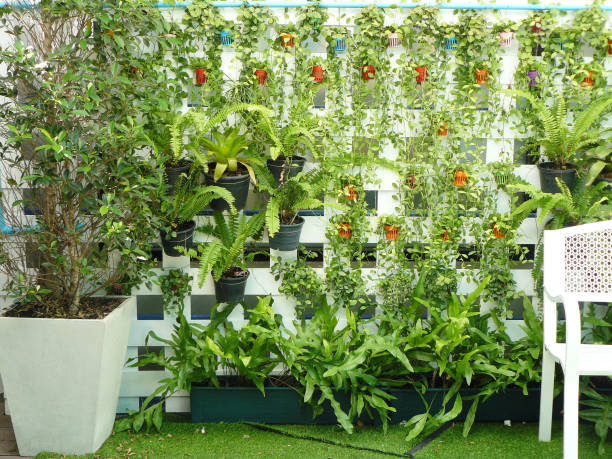
A well-planned garden is key to creating a vertical garden that is both attractive and easy to maintain.
- Measure the area where you plan to install the garden and consider the amount of sunlight it receives.
- Choose a spot near your kitchen or seating area to keep edible plants within easy reach.
Tips
- Use a location with 6-8 hours of sunlight for most edible plants, or consider a partial shade area for shade-loving varieties.
- If indoors, supplement with grow lights to ensure healthy plant growth.
Draw a simple sketch of your space and mark the sunlight patterns throughout the day.
Step 2: Choosing Your Vertical Garden Structure
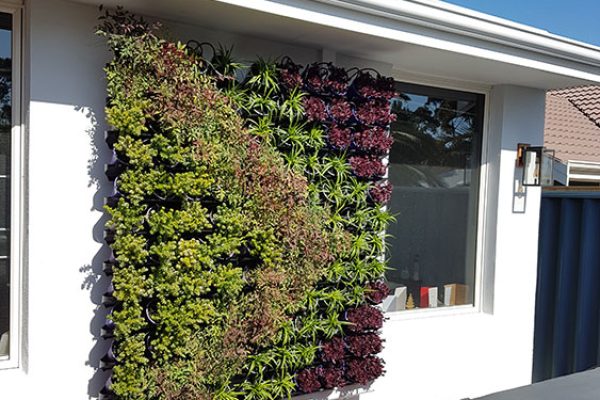
Selecting the right structure is essential for building a stable, long-lasting vertical garden.
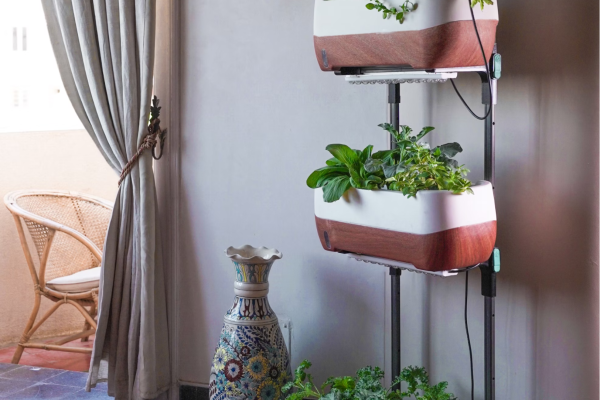
- Freestanding units are great for patios or balconies, these units can be moved easily and often come with built-in planters.
- Wall-Mounted panels Ideal for tight spaces, they offer a sleek look and allow for easy access to each plant.
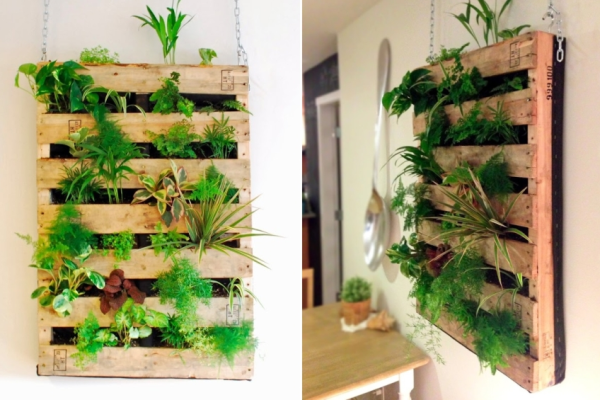
- Consider repurposing items like old pallets or wooden shelves for a rustic and eco-friendly approach.
Tips
- Ensure wall-mounted structures are securely fastened to support plant weight.
- Use weather-resistant materials for outdoor vertical gardens to increase longevity.
Research a few types of structures and note their pros and cons for your space.
Step 3: Selecting and Arranging Edible Plants
Choosing the right plants adds both beauty and functionality to your vertical garden.
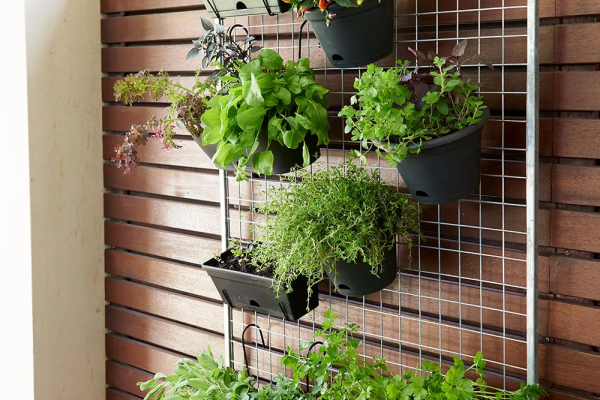
- Go for easy-to-grow plants like basil, parsley, spinach, and kale.
- Use plants like strawberries or nasturtiums that add visual interest with their cascading foliage.
- Place taller or fuller plants on the lower tiers to avoid shading smaller plants above.
Tips
- Select compact or dwarf varieties of edibles to make the most of vertical space.
- Group plants with similar water and light requirements together for easier care.
List five edible plants you’d like in your vertical garden and categorize them by sunlight needs.
Step 4: Preparing Soil and Planting
Healthy soil provides the foundation for lush, productive plants in a small vertical garden.
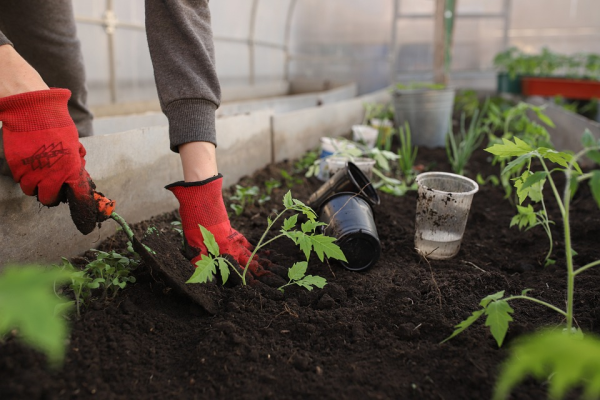
- Use a high-quality potting mix that drains well but retains moisture. Consider adding compost for extra nutrients.
- Gently loosen each plant’s roots before placing them in the soil, pressing down lightly to secure them.
Tips
- Avoid garden soil, as it may compact easily in vertical containers.
- Consider adding a slow-release fertilizer for continuous nutrient supply.
Prepare your own soil mix with a blend of compost, potting mix and perlite for optimal drainage.
Step 5: Watering and Maintenance
Consistent care is essential to keep your small vertical garden thriving and producing.
- Vertical gardens can dry out faster, so check moisture levels regularly and water accordingly.
- Regularly trim herbs and harvest greens to encourage continuous growth.
Tips
- Install a drip irrigation system for efficient, consistent watering.
- Keep plants tidy by removing any yellowing leaves and stems.
Set a weekly schedule for watering and maintenance checks.
Common Errors and Misconceptions in Vertical Gardening
Learning from common mistakes helps ensure your vertical garden remains healthy and productive.
#1: Overcrowding Plants
Follow spacing recommendations for each plant to ensure proper airflow.
#2: Using Inadequate Soil
Use a potting mix specifically designed for containers to prevent compaction and nutrient deficiencies.
#3: Underestimating Water Needs
Remember that vertical gardens dry out faster; regular moisture checks are essential.
A reader shared how switching to a drip irrigation system reduced water stress and improved growth in her vertical garden!
Creating a vertical garden brings both beauty and practicality to small spaces, adding fresh herbs and greens within reach. By following these steps, you’ll have a stunning and productive garden in no time. Embrace the journey of designing and building a small vertical garden, and enjoy the satisfaction of harvesting your own edibles!
Additional Resources for Vertical Gardening Enthusiasts
1. Books
- “Vertical Gardening: Grow Up, Not Out, for More Vegetables and Flowers in Much Less Space” by Derek Fell
- “The Edible Balcony: Growing Fresh Produce in Small Spaces” by Alex Mitchell
2. Websites
Gardening Australia: www.abc.net.au/gardening
Vertical Gardening Australia: www.verticalgardensaustralia.com.au