
Diagnose and Prevent Pests
and Diseases in Lawn:
A Comprehensive Guide for Australian Lawns
Australian lawns are beautiful yet prone to various pests and diseases due to the climate and environmental conditions. Learning to diagnose and prevent pests and diseases in lawn care is essential for keeping your grass lush and healthy. In this guide, we’ll go over the most common issues, how to identify them and ways to treat and prevent them, so your lawn remains resilient year round.
Recognizing Common Lawn Pests
Lawn pests can cause visible damage that may resemble drought stress or disease. Recognizing these pests is the first step in diagnosing issues and preventing them effectively.
- Look for brown patches that can be easily pulled back, revealing white, curled-up grubs underneath. Lawn grubs are active from spring to autumn.
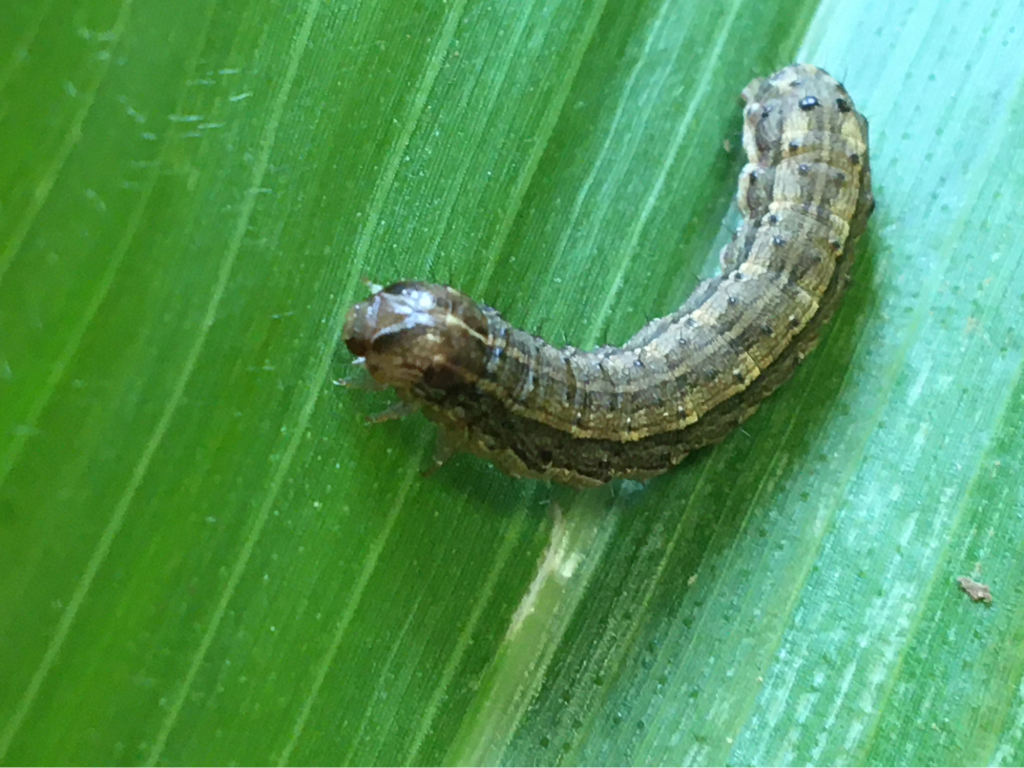
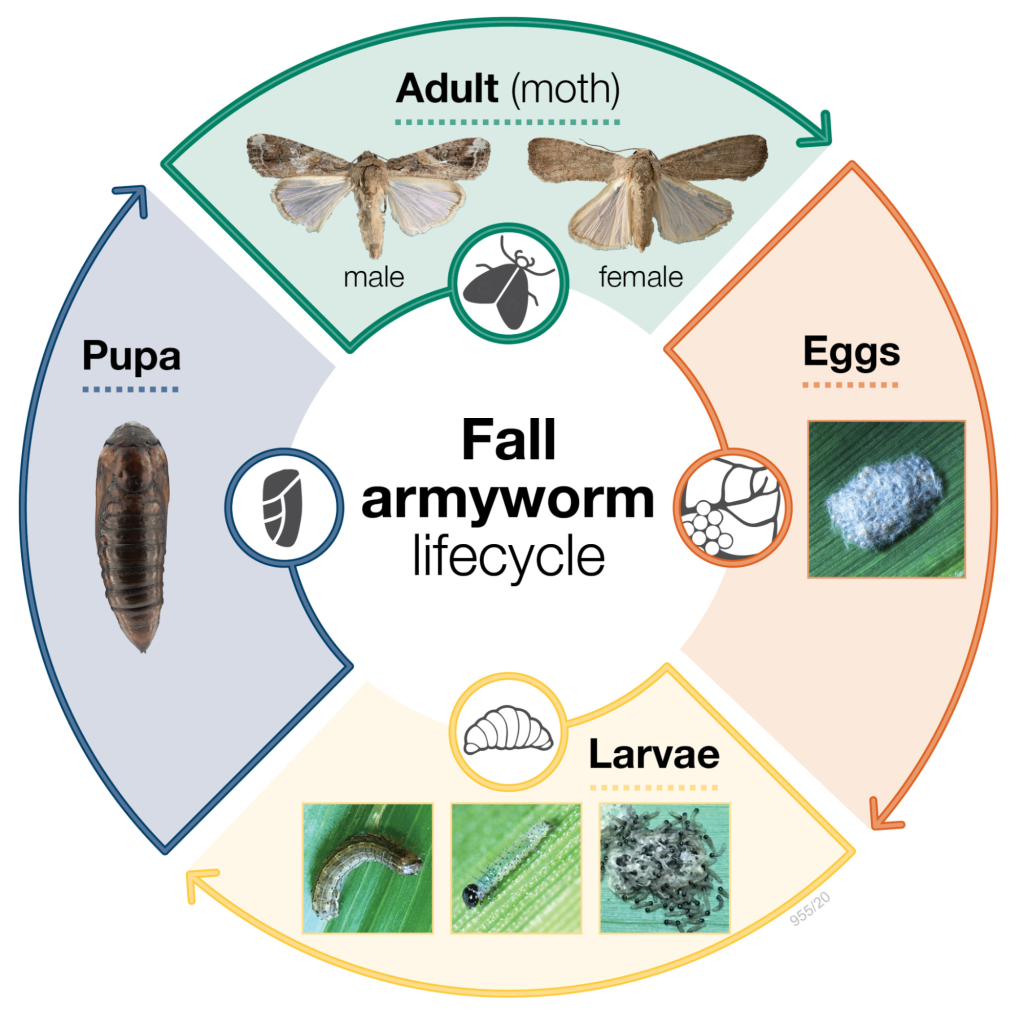
- These pests leave distinctive chewed patches and move rapidly across the lawn, often forming “army-like” clusters.
- Black beetles are common in warmer months, feeding on grass roots and causing wilted patches.
Tips
- Regularly inspect your lawn, especially during peak seasons for these pests.
- Use natural repellents like neem oil or introduce beneficial nematodes as a non-chemical control.
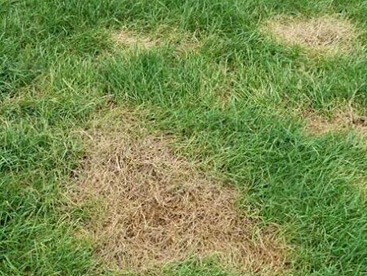
Check for signs of lawn pests by looking closely at any discolored patches and gently lifting the grass to inspect for grubs.
Identifying Common Lawn Diseases
Lawn diseases in Australia often stem from fungal issues, which can cause various symptoms like yellowing, browning, or mold growth on the grass.
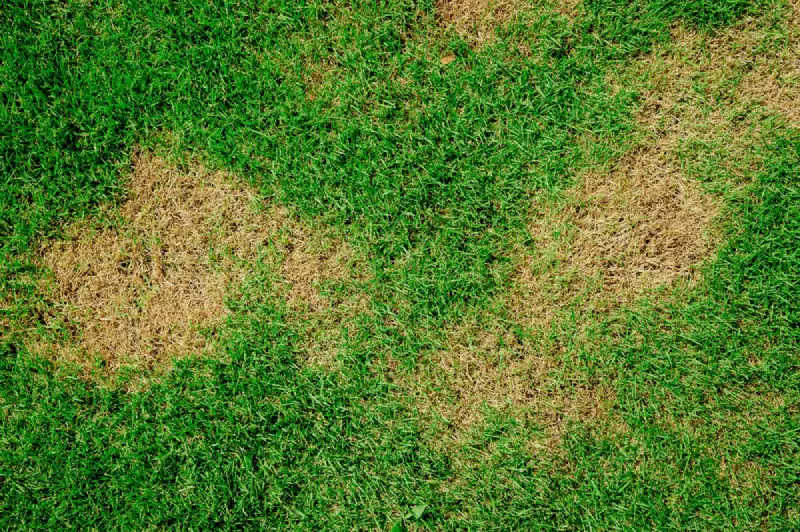
- Caused by a fungal infection, brown patch disease creates circular, brown areas during hot, humid conditions.
- This disease appears as small, silver-dollar-sized brown patches, often in lawns low in nitrogen.
- Often found in poorly drained lawns, this disease creates greasy, dark green patches that turn brown.
Tips
- Maintain proper watering practices to avoid excess moisture, which encourages fungal growth.
- Mow regularly and collect clippings to prevent the spread of disease.
Walk around your lawn and observe any patterns in discolored areas. Note their size, shape, and color for potential diagnosis.
Treatment Options for Pests and Diseases
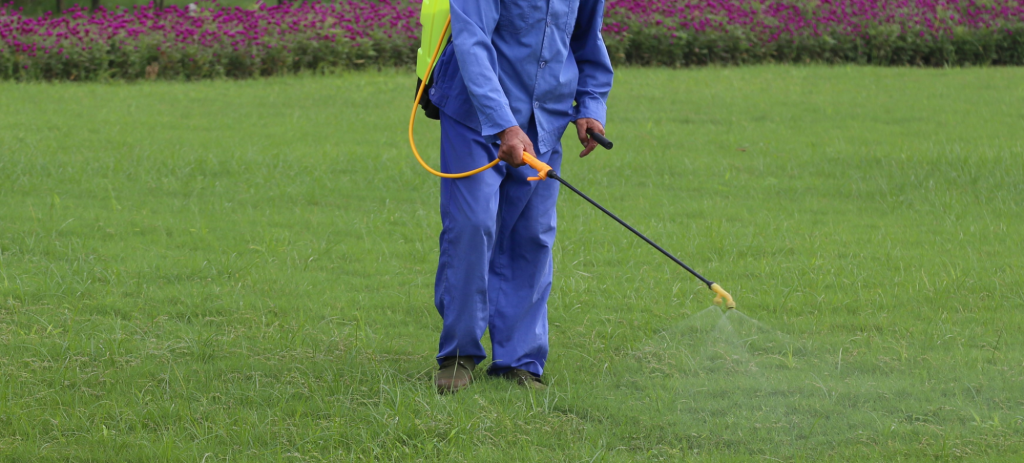
Once you’ve identified the pest or disease affecting your lawn, choosing the right treatment is crucial for effective control without harming the grass.
- Use beneficial nematodes to target grubs or apply diatomaceous earth around infected areas for eco-friendly pest control.
- Apply a suitable fungicide for fungal infections like brown patch or dollar spot, following all instructions carefully.
- Improving soil health by aerating and fertilizing can help reduce disease recurrence by promoting strong root growth and good drainage.
Tips
- Apply treatments in the early morning or evening to avoid excessive sun, which can degrade chemicals quickly.
- Test a small lawn area first to ensure the treatment doesn’t stress or discolor the grass.
Research natural or store-bought treatments for one of the common issues you’ve identified in your lawn.
Preventative Measures to Keep Your Lawn Healthy
Prevention is key to maintaining a lawn that’s resilient against pests and diseases. Implementing these steps will reduce the likelihood of future problems.
- Water deeply but infrequently, allowing soil to dry slightly between sessions to prevent mold and rot.
- Maintain an ideal grass height (around 2.5–3 cm) to discourage pest habitats and promote even growth.
- Use a balanced fertilizer during spring and autumn to strengthen roots and improve disease resistance.
Tips
- Water early in the morning to minimize moisture retention overnight, which can attract pests.
- Use organic fertilizers to avoid chemical buildup, which can stress the lawn over time.
Create a seasonal checklist for lawn care tasks like watering, mowing, and fertilizing to keep your routine on track.
Common Errors and Misconceptions in Diagnosing Lawn Issues
Avoiding common mistakes can help you diagnose and prevent pests and diseases in your lawn more effectively.
Error #1: Misidentifying Pest Damage as Drought
Investigate brown patches by lifting the turf to check for grubs or other signs of infestation.
Error #2: Overusing Chemical Treatments
Try natural options first and use chemicals sparingly to avoid damaging beneficial organisms in your lawn.
Error #3: Inconsistent Watering Practices
Stick to a regular watering schedule, adjusting for seasonal rainfall to maintain optimal moisture levels.
A homeowner initially treated brown patches with extra watering, assuming they were due to drought. After inspecting more closely, they discovered grubs beneath the grass, and treatment with nematodes led to a full recovery.
Keep Your Lawn Healthy by Proactively Diagnosing and Preventing Issues
Learning to diagnose and prevent pests and diseases in lawn care is essential for maintaining a vibrant, healthy lawn. By monitoring, treating, and preventing issues early, you can ensure your lawn remains resilient and attractive throughout the year. Embrace these steps and take pride in a lawn that thrives in Australia’s unique climate.
Additional Resources for Lawn Health and Maintenance
1. Books
- “Lawn Geek: Tips and Tricks for the Ultimate Turf” by Trey Rogers
- “The Organic Lawn Care Manual” by Paul Tukey
2. Websites
- Lawn Solutions Australia: (www.lawnsolutionsaustralia.com.au)
- Gardening Australia Lawn Care Tips: (www.abc.net.au/gardening)