
Hibachi Grills: A Timeless Backyard Tradition
If you’ve ever been to a lively backyard gathering or a sizzling barbecue dinner, you’ve likely encountered the charm of a Hibachi Grill. This compact, versatile cooking apparatus is more than just a grill—it’s a cultural icon that brings the rich culinary heritage of Japan straight to your backyard. In this blog, we’ll dive deep into the origins, history and setup of the Hibachi Grill while sharing the top five ideas for getting the most out of your cooking experience. Along the way, we’ll touch on types of fuel sources and the ideal temperature for operation, ensuring your Hibachi adventures are a roaring success.
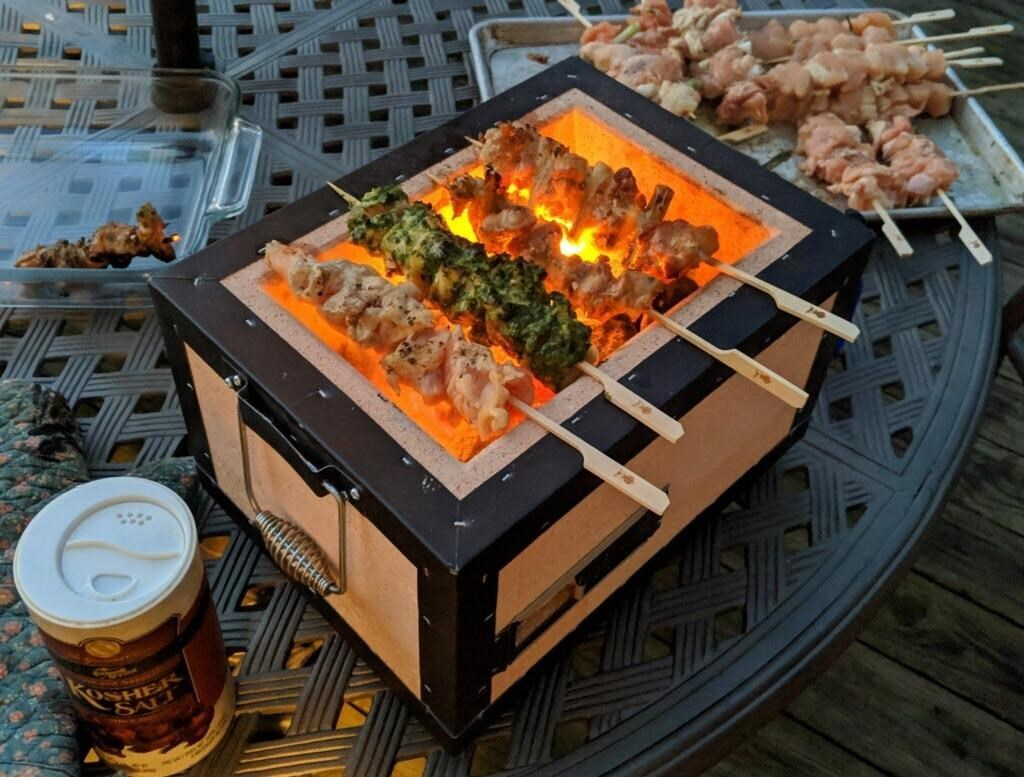
Source: Coolangatta Hotel
Origins and History of the Hibachi Grill
The Hibachi Grill hails from Japan, with its name translating to “fire bowl.” Historically, Hibachis weren’t initially intended for cooking. These small, portable heating devices date back to the Heian period (794-1185) and were primarily used to warm rooms during the cold winters. Traditionally crafted from ceramic or cast iron, these vessels were filled with charcoal to radiate heat efficiently.
By the Edo period (1603-1868), the Hibachi found its way into the culinary world. Its portability and ability to provide a consistent source of heat made it a favourite for cooking small, delicate foods such as skewered meats, vegetables and seafood. The grill’s compact size and adaptability ensured its place as a staple in Japanese households and it soon became a cultural symbol of simple yet elegant cooking techniques.
When the Hibachi Grill made its way to the West, it underwent a transformation. While staying true to its roots as a charcoal-powered device, it gained popularity as a backyard cooking tool. Today, the Hibachi Grill is a beloved choice for outdoor cooking enthusiasts, prized for its ability to deliver intense heat and impart a smoky, authentic flavour.
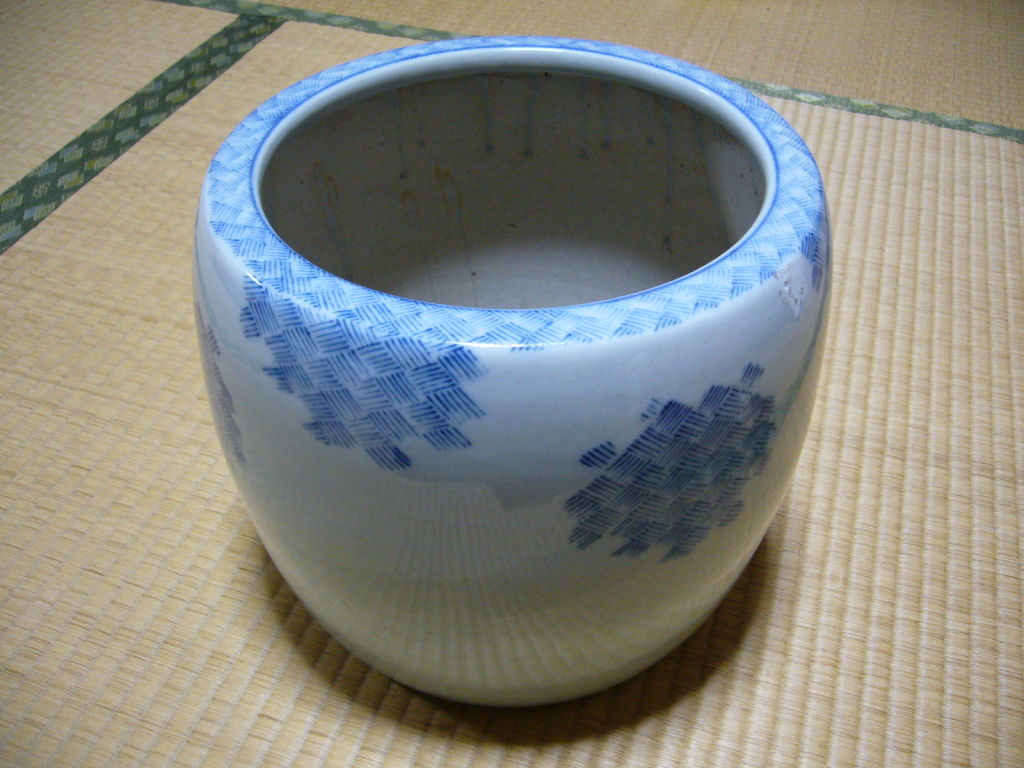
Source: Wikipedia – Traditional Hibachi Pot without grill plate
Setting Up the Perfect Hibachi Grill
Efficiently setting up your Hibachi Grill is essential for maximizing its potential. Here’s a quick guide:
1. Choose the Right Location: Place your Hibachi Grill on a heat-resistant, stable surface. Keep it away from flammable materials and ensure proper ventilation.
2. Use High-Quality Charcoal: Lump charcoal is ideal for Hibachi Grills due to its ability to reach high temperatures quickly. Avoid briquettes, as they can produce excess ash and inconsistent heat.
3. Prepare Your Grill Base: Start with a layer of crumpled newspaper or a fire starter at the bottom of the grill. Stack the charcoal in a pyramid shape for efficient lighting.
4. Light and Preheat: Light the newspaper or fire starter and allow the charcoal to ignite. Once the coals turn white-hot and form a thin layer of ash, spread them evenly for consistent heat distribution.
5. Organize Your Cooking Tools: Keep tongs, a spatula and a basting brush within reach. A spray bottle filled with water can help manage flare-ups.
Top 5 Ideas for Using a Hibachi Grill
Now that your grill is set up, it’s time to unleash its potential. Here are five ideas to elevate your Hibachi Grill experience:
1.Skewer Heaven: Skewers are a classic choice for Hibachi cooking. Thread pieces of marinated chicken, beef, shrimp, or vegetables onto skewers for quick, flavourful grilling. Pro tip: Soak wooden skewers in water for 30 minutes to prevent burning.
2. Mini Teppanyaki Feast: Bring the restaurant experience home by cooking thinly sliced meats, seafood and vegetables directly on the Hibachi surface. Pair with a side of fried rice for an authentic teppanyaki-style meal.
3. Grilled Rice Balls (Yaki Onigiri): Impress your guests with this Japanese favourite. Brush rice balls with soy sauce and grill them until they develop a crispy, golden crust. These make for a delightful snack or side dish.
4. Charred Vegetables: From asparagus to eggplant, Hibachi Grills excel at bringing out the natural sweetness of vegetables. Brush them with sesame oil and sprinkle with sea salt for a simple yet delicious side.
5. Mouthwatering Burgers: While traditionally used for Japanese dishes, Hibachi Grills can deliver perfectly seared burgers. Their high heat creates a charred crust while locking in juicy flavours—a true crowd-pleaser for backyard barbecues.
Types of Fuel Sources for Hibachi Grills
The fuel you choose for your Hibachi Grill plays a significant role in its performance and the flavours it imparts. Here are the most common options:
Charcoal:
- Lump Charcoal: Ideal for Hibachi Grills, lump charcoal burns hotter and cleaner than briquettes. It’s perfect for achieving authentic, smoky flavours.
- Charcoal Briquettes: While more affordable, briquettes produce more ash and tend to burn less consistently.
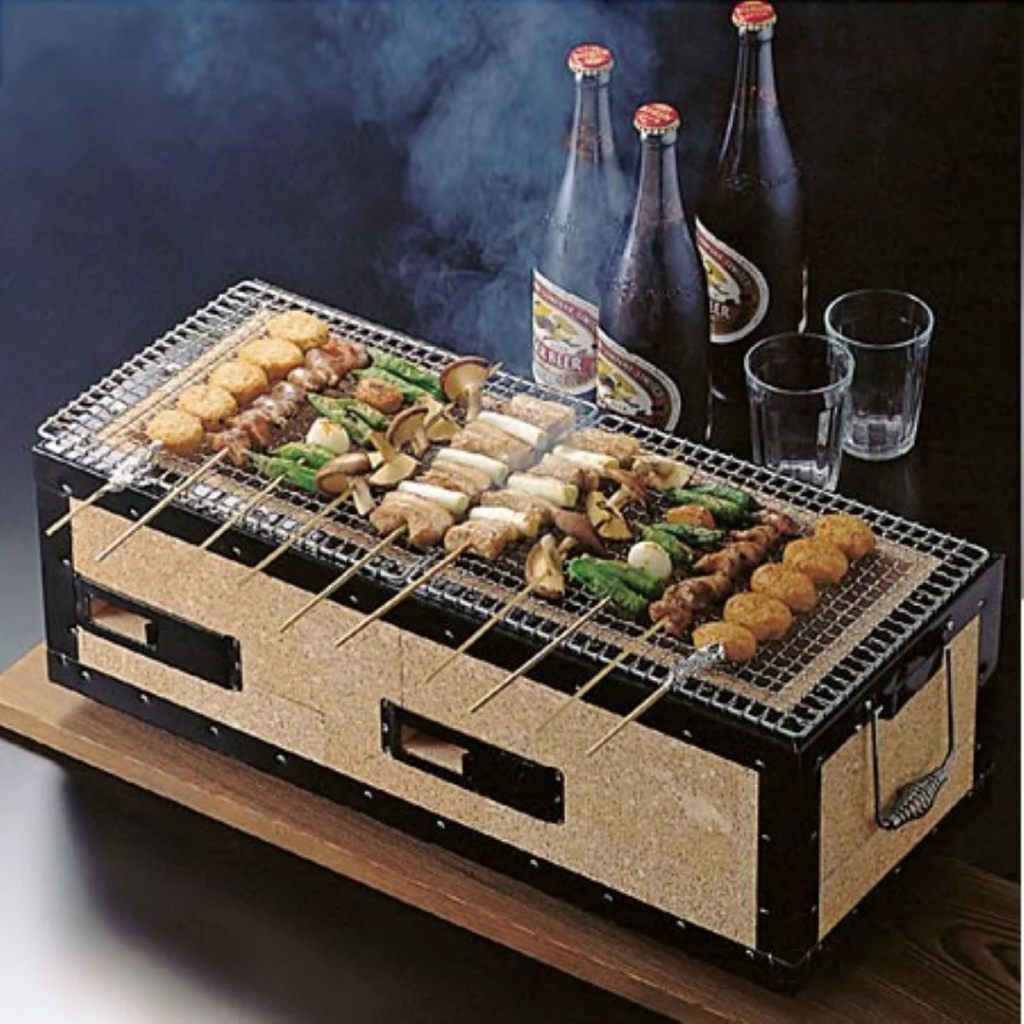
Source: Wikipedia – Traditional Hibachi Pot without grill plate
Gas:
- Some modern Hibachi Grills are gas-powered, offering convenience and precise temperature control. However, they lack the smoky flavour that traditional charcoal provides.
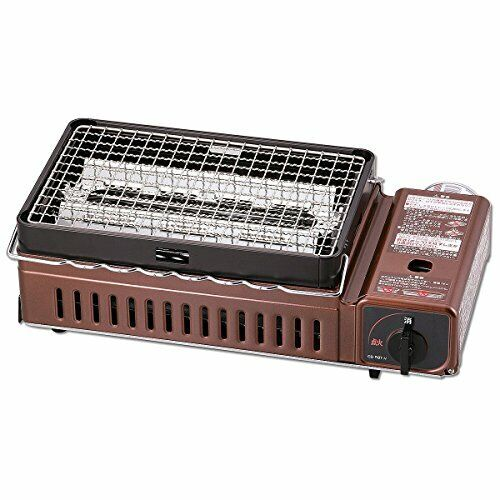
Source: eBay – Iwatani Portable Cassette Stove Japanese Style Grill
Electric:
- Electric Hibachi Grills are best suited for indoor use. While they’re easy to operate, they don’t achieve the high temperatures or smoky essence of charcoal grills.
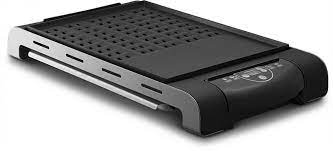
Source: Hibachi Grill Store (Electric Hibachi)
For the most authentic experience, stick with lump charcoal to replicate the traditional flavours Hibachi Grills are known for.
Ideal Temperature for Operation
Achieving the right temperature is crucial for Hibachi grilling. Here’s a breakdown:
- Low Heat (200-250°F): Ideal for warming bread, toasting rice balls, or grilling delicate vegetables.
- Medium Heat (300-350°F): Great for cooking seafood, thinly sliced meats, or skewered items.
- High Heat (400-500°F): Perfect for searing steaks, burgers and creating a charred finish on vegetables.
A simple way to gauge the heat is by holding your hand about five inches above the grill. If you can keep it there for:
- 2-3 seconds: High heat.
- 4-5 seconds: Medium heat.
- 6-7 seconds: Low heat.
Final Thoughts
Hibachi Grills are more than just a cooking tool; they’re a gateway to experiencing Japanese culture and culinary artistry. From their origins as fire bowls to their evolution as a backyard favourite, these grills embody versatility and tradition.
Whether you’re hosting a lively gathering or enjoying a quiet family dinner, the Hibachi Grill can turn any meal into a memorable occasion. With the right setup, creative recipes and an understanding of fuel and temperatures, you’ll unlock endless possibilities for outdoor cooking. So fire up your Hibachi Grill, gather your ingredients and let the flavours transport you to the heart of Japan’s rich culinary heritage.