
Garden Tools: Pressure Washers – Pros, Cons, and Solutions
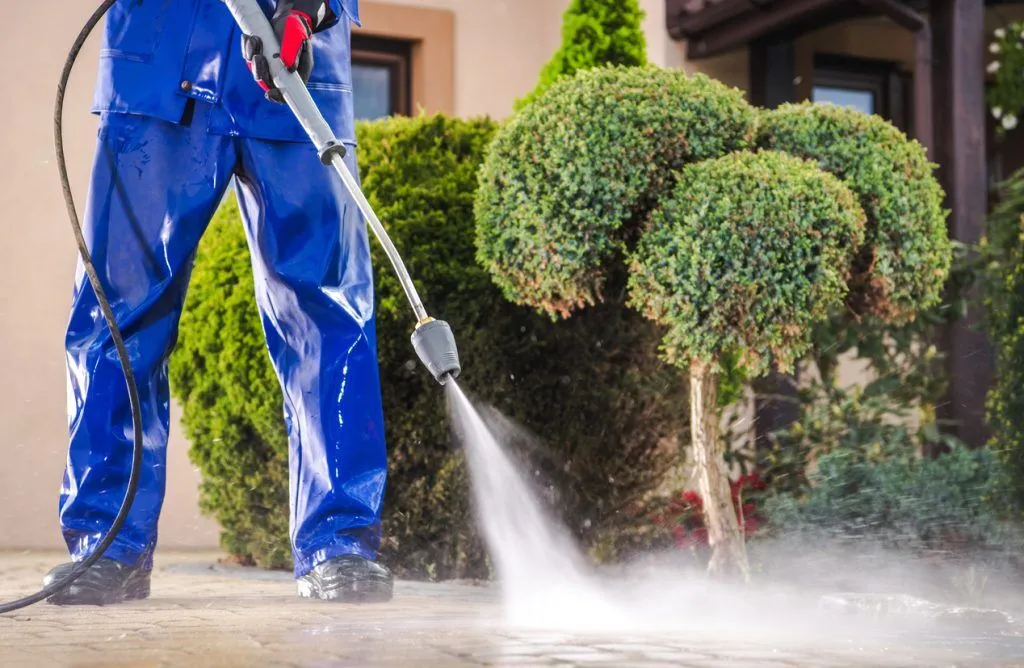
When it comes to maintaining a backyard that is not just functional but also visually appealing, a pressure washer is an essential tool. From cleaning patios and driveways to refreshing outdoor furniture and BBQ grills, pressure washers save time and effort while delivering professional-grade results. However, like any tool, they come with their own set of benefits and drawbacks.
Pros of Pressure Washers
1. Efficiency
- Pressure washers are incredibly efficient at removing dirt, grime, and mold from various surfaces.
- High-pressure jets mean tasks are completed in a fraction of the time compared to manual scrubbing.
2. Versatility
- Suitable for cleaning patios, decks, fences, vehicles, garden tools, BBQ grills, and even garden ornaments.
- Many models come with adjustable nozzles for different cleaning intensities.
3. Eco-Friendly Cleaning
- Requires less water than a garden hose for the same task.
- Some models use hot water, reducing the need for harsh detergents.
4. Cost-Effective in the Long Run
- Eliminates the need to hire professional cleaners or rent equipment frequently.
5. Enhances Property Value
- Regular cleaning extends the life of surfaces and materials, maintaining curb appeal and value.
Cons of Pressure Washers
1. High Initial Investment
- Quality pressure washers can be expensive upfront.
2. Risk of Surface Damage
- Improper use can strip paint, damage wood, or etch softer materials like sandstone.
3. Learning Curve
- It takes some practice to master the correct settings and techniques for different surfaces.
4. Noise and Maintenance
- Gas-powered models are noisy and require regular maintenance. Even electric models need occasional upkeep.
5. Water and Electricity Costs
- While they use less water than a hose, prolonged use can still impact utility bills.
Solutions to Common Issues
- High Initial Investment: Choose a reliable, mid-range model with essential features rather than unnecessary extras.
- Risk of Surface Damage: Start with a low-pressure setting and test on a small area before proceeding.
- Learning Curve: Read the manual thoroughly and watch instructional videos for proper handling techniques.
- Noise and Maintenance: Opt for electric models for quieter operation and easier maintenance.
- Utility Costs: Use a rainwater tank or collect water in advance to minimize impact on water bills.