
The Pros and Cons of Vertical Gardens (and Solutions You Need)
Vertical gardens are revolutionizing the way we think about gardening, especially in urban environments where space is a premium. Whether you want a lush green wall inside your home, a thriving herb garden on your balcony, or an edible display in your backyard, vertical gardens are versatile, aesthetically stunning and functional. However, like any gardening system, they come with their fair share of pros and cons.
In this article, we’ll explore the advantages and challenges of vertical gardens and provide practical solutions for overcoming common issues. Plus, we’ll highlight 10 must-have tools and products to set you up for success.
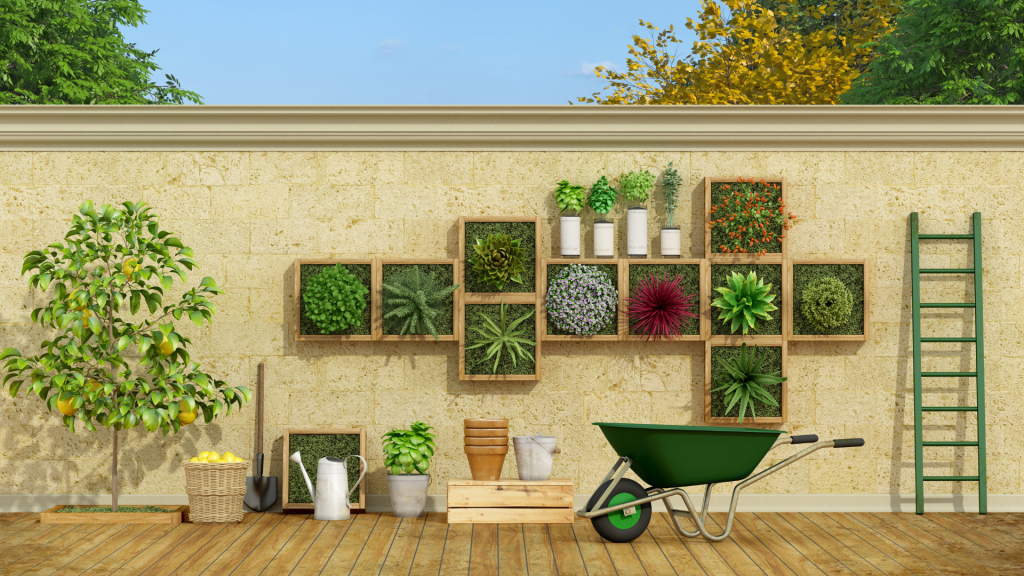
Pros of Vertical Gardens
1. Space-Saving
- The most significant advantage of vertical gardens is their ability to utilize vertical spaces like walls, fences and balconies.
Ideal for apartments, small backyards, or homes with limited garden beds.
2. Improved Air Quality
- Vertical gardens purify the air by absorbing carbon dioxide and releasing oxygen, while filtering pollutants and dust.
- Indoor green walls can even improve indoor air quality and humidity levels.
3. Aesthetic Appeal
- They add a stunning natural feature to any indoor or outdoor area, increasing visual interest and property appeal.
4. Thermal Insulation
- Green walls provide an extra layer of insulation, keeping indoor spaces cooler in summer and warmer in winter.
5. Encourages Gardening in Small Spaces
- Enables you to grow herbs, vegetables and ornamental plants even with minimal outdoor space.
Perfect for renters who want portable gardening solutions.
6. Sustainability
- Promotes sustainable living by providing access to fresh produce and reducing food miles.
7. Promotes Relaxation
- Tending to plants can reduce stress and improve mental well-being.
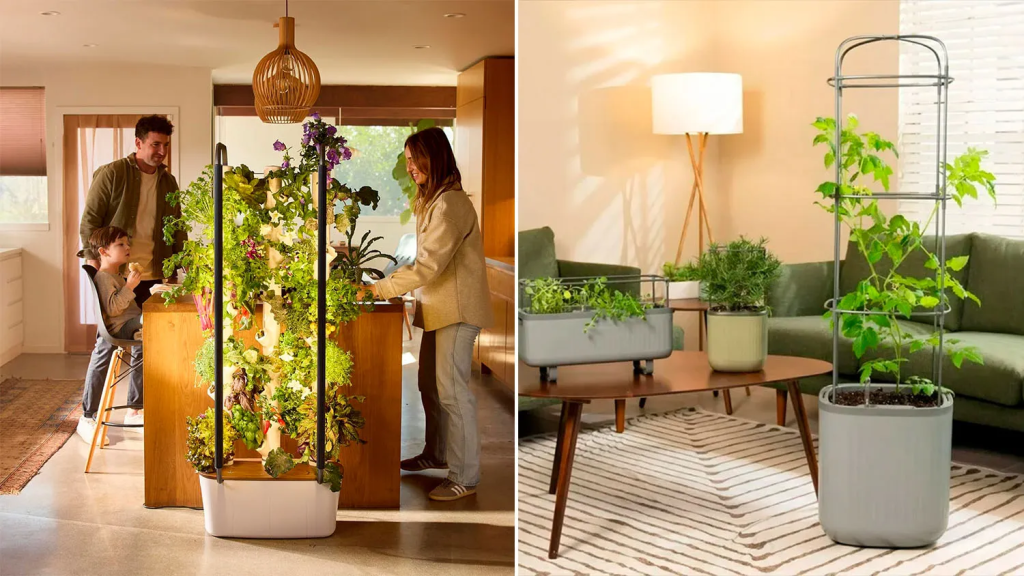
Cons of Vertical Gardens (and Solutions)
1. Watering Challenges
Issue: Vertical gardens often require consistent watering as plants can dry out quickly due to increased airflow.
Solution: Use a drip irrigation system or self-watering pots to ensure consistent hydration without overwatering.
2. Plant Health
Issue: Some plants may struggle to thrive in vertical environments due to poor light exposure or shallow root spaces.
Solution: Choose plants suited to vertical gardening such as ferns, succulents, herbs, or climbers. Opt for modular systems to replace underperforming plants easily.
3. Weight Concerns
Issue: Heavy soil and waterlogged plants can strain walls and support structures.
Solution: Use lightweight soil mixes, hydroponic systems and sturdy wall mounts to distribute weight safely.
4. Maintenance Requirements
Issue: Vertical gardens require regular pruning, pest control and maintenance, especially indoors.
Solution: Invest in low-maintenance plants and automated systems like irrigation timers and nutrient delivery systems.
5. Initial Cost
Issue: Installing a vertical garden can be expensive upfront, especially for larger systems.
Solution: Start small with DIY kits or modular systems that allow you to scale up over time.
Top 10 Vertical Garden Products for Success
Here are 10 essential products to help you create and maintain a thriving vertical garden. Each product is designed to address common challenges and enhance your gardening experience:
1. Modular Vertical Garden System
Example: Mr. Stacky Vertical Planter Kit
Description: A modular and stackable planter system perfect for growing herbs, flowers, or vegetables. Designed for indoor or outdoor use.
Benefits: Space-saving, easy to assemble, lightweight and versatile for small spaces.
2. Self-Watering Wall Planters
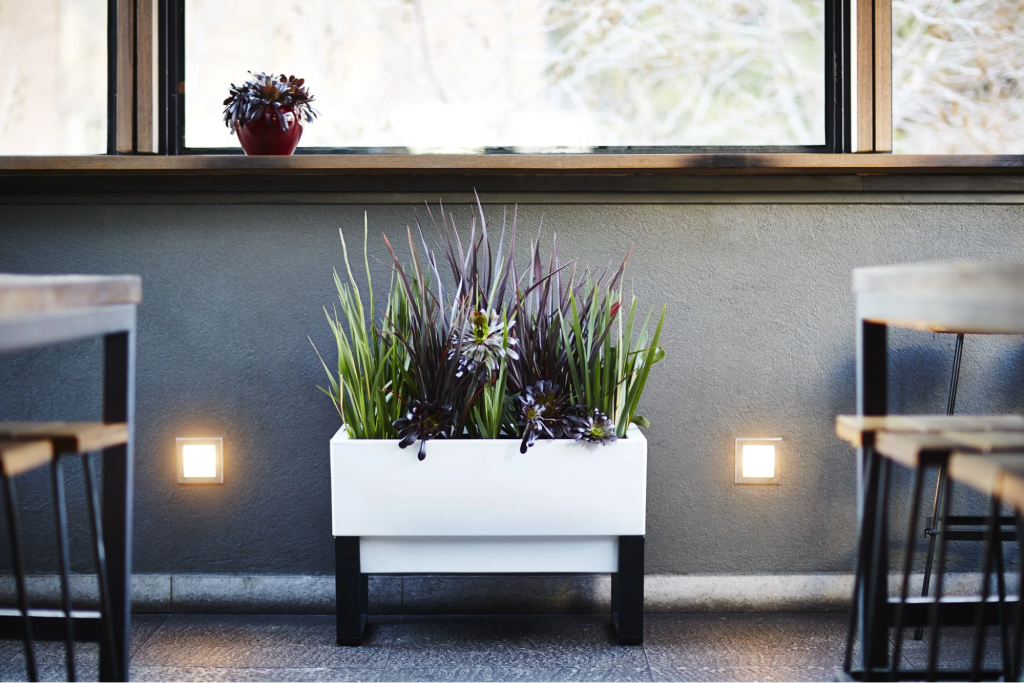
Example: Glowpear Urban Garden Planter
Description: Stylish self-watering wall planters with a built-in water reservoir that delivers hydration to plants over time.
Benefits: Reduces watering frequency, prevents overwatering and is ideal for busy gardeners.
3. Drip Irrigation Kit
Example: Holman Vertical Garden Irrigation System
Description: A complete drip irrigation kit with tubing and emitters designed to deliver water directly to each plant.
Benefits: Saves water, ensures even hydration and is ideal for larger vertical gardens.
4. Lightweight Potting Mix
Example: Searles Lightweight Potting Mix
Description: A high-quality potting mix designed for vertical gardens, with added nutrients for plant health.
Benefits: Reduces wall strain, promotes root growth and improves drainage.
5. Indoor Grow Lights
Example: VegeBox LED Grow Light System
Description: Energy-efficient LED lights for indoor vertical gardens, mimicking natural sunlight.
Benefits: Supports plant growth indoors, even in low-light areas.
6. Vertical Garden Trellis
Example: Garden Glory Climbing Trellis
Description: A stylish trellis designed to support climbing plants in vertical gardens.
Benefits: Maximizes space usage and supports vertical growth of climbers like beans, peas and decorative vines.
7. Wall-Mounted Vertical Garden Frame
Example: GreenSmart Living Wall Frame
Description: A durable, lightweight wall-mounted frame with multiple planting pockets for herbs and flowers.
Benefits: Simple installation, compact design and great for kitchen or balcony gardens.
8. Hydroponic Vertical Garden System
Example: AeroGarden Farm
Description: A vertical hydroponic system that grows plants without soil, using nutrient-rich water.
Benefits: Faster plant growth, no mess and minimal maintenance.
9. Wall Brackets and Mounting System
Example: Steel-Made Garden Wall Mount Kit
Description: Heavy-duty brackets to securely hold vertical planters on walls.
Benefits: Ensures safety and stability for heavier systems or larger garden walls.
10. Natural Pest Control Spray
Example: Eco-Neem Organic Insecticide
Description: A natural insecticide safe for edible plants, ideal for keeping pests away from vertical gardens.
Benefits: Non-toxic, eco-friendly and effective for maintaining plant health.
Final Thoughts
Vertical gardens are a game-changer for modern gardening, offering incredible benefits for homeowners looking to maximize their space while adding greenery to their homes. While there are a few challenges to consider, the right tools, products and techniques can make all the difference.
Start small, choose the right plants and systems and invest in tools that simplify maintenance. Whether you’re aiming for a lush green wall indoors or a productive herb garden outdoors, vertical gardening can be both functional and beautiful.
Happy gardening!